
Clearance Warehouse Canada
Company
Shop By Category
T&Cs
Shop Online
  • Free delivery across Canada on orders of $75 or more
  • Lawn and garden, home improvement, bedding, car, kids and health lines in one place
  • Dispatch within 2 working days, then delivery in up to 7 working days by tracked courier
  • Tracking number emailed as soon as your order ships

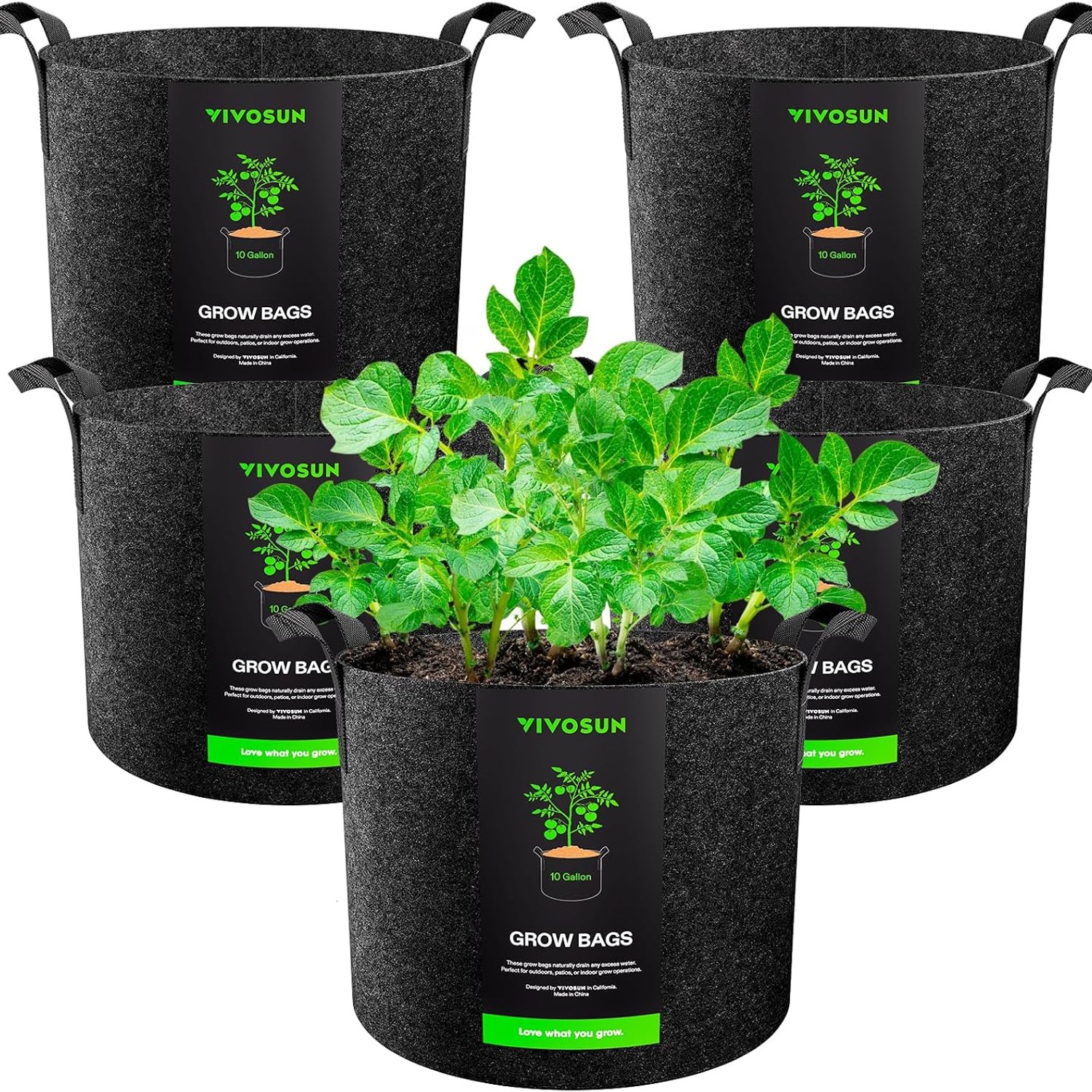
Potato Grow Bags | Fabric Grow Bags | 10 Gallon Planter Bags

Grow potatoes in a bag with a handy harvest flap

Potato Grow Bags, 5 Pack

$38.99 $46.79 Save $7.80
  • Five Bags Included
  • Drainage Built In
  • Reinforced Handles
  • Breathable Fabric

Price: $38.99 $46.79

  • Delivery time: up to 7 working days by tracked courier, after dispatch within 2 working days
  • Free delivery on orders $75+, otherwise a flat $25
  • Pay by card or PayPal, handled by the payment provider
  • 15 days from delivery to return an unused item, plus your statutory rights
Product specifications
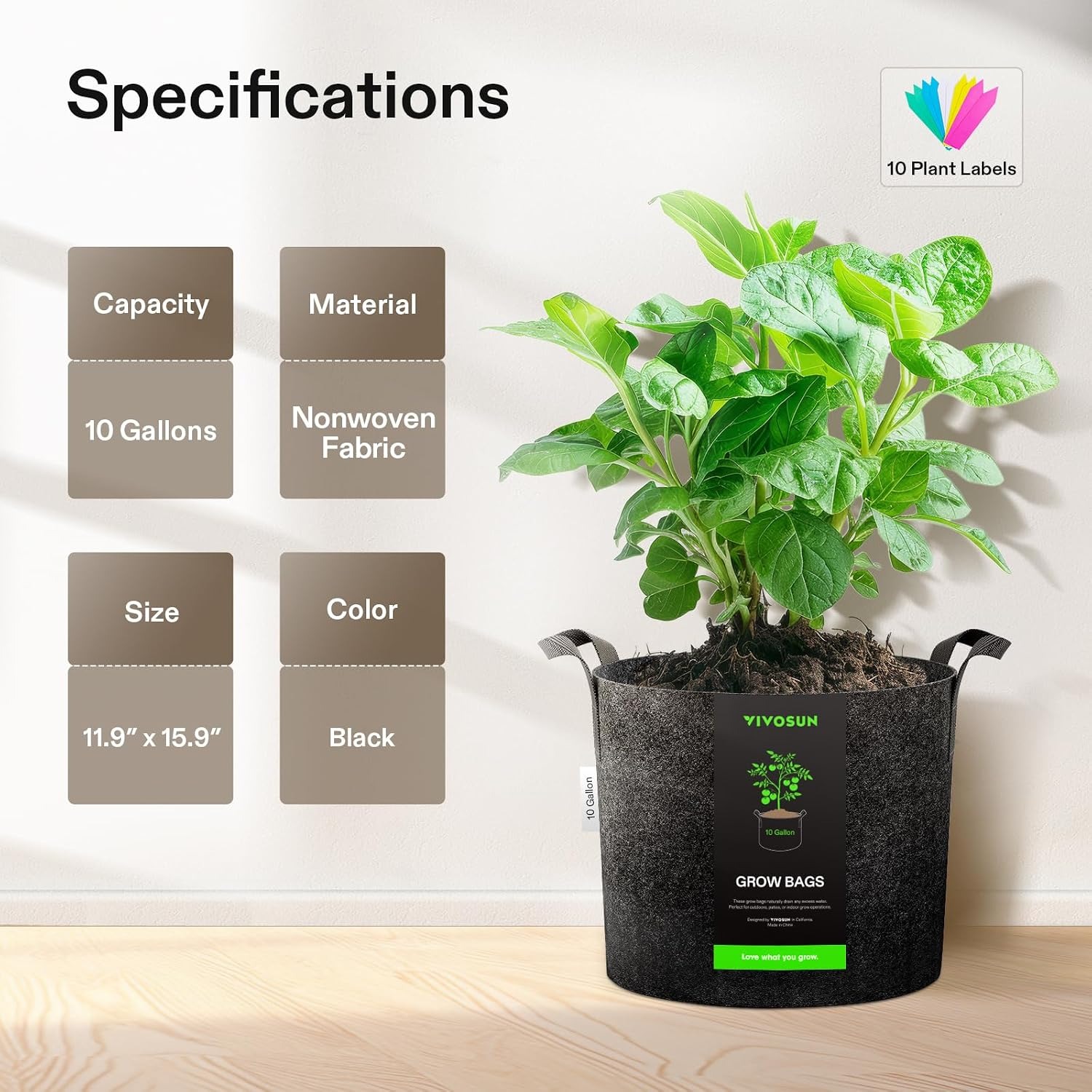
Set Name5-Pack 10 Gallon Grow Bags
Pack Size5 bags
Capacity10 gallons per bag
MaterialNonwoven fabric
ColourBlack
ShapeCylindrical
PatternSolid
Item Dimensions (D x W x H)22.1 x 22.1 x 11.9 cm
Package Dimensions40.4 x 40.4 x 30.2 cm
Item Weight898 g
Special FeatureDrainage hole
Mounting TypeFloor standing
Indoor / Outdoor UseOutdoor
FinishUnfinished
Suited ToFlowers and herbs
Number of Levels1
Weight898 g
Shipping & returns

Tracked delivery across Canada. It is free on orders of $75 or more, and a flat $25 below that. Allow up to 7 working days in transit after dispatch within 2 working days.

You have 15 days from delivery to return an unused item in its original packaging for an exchange or a refund. You cover the cost of shipping it back.

If it arrives faulty, damaged or not as described, tell us right away and our customer service team will sort it.

Shipping details · Refunds and returns

Five Bags IncludedOne pack covers a small patio crop or several staggered plantings.
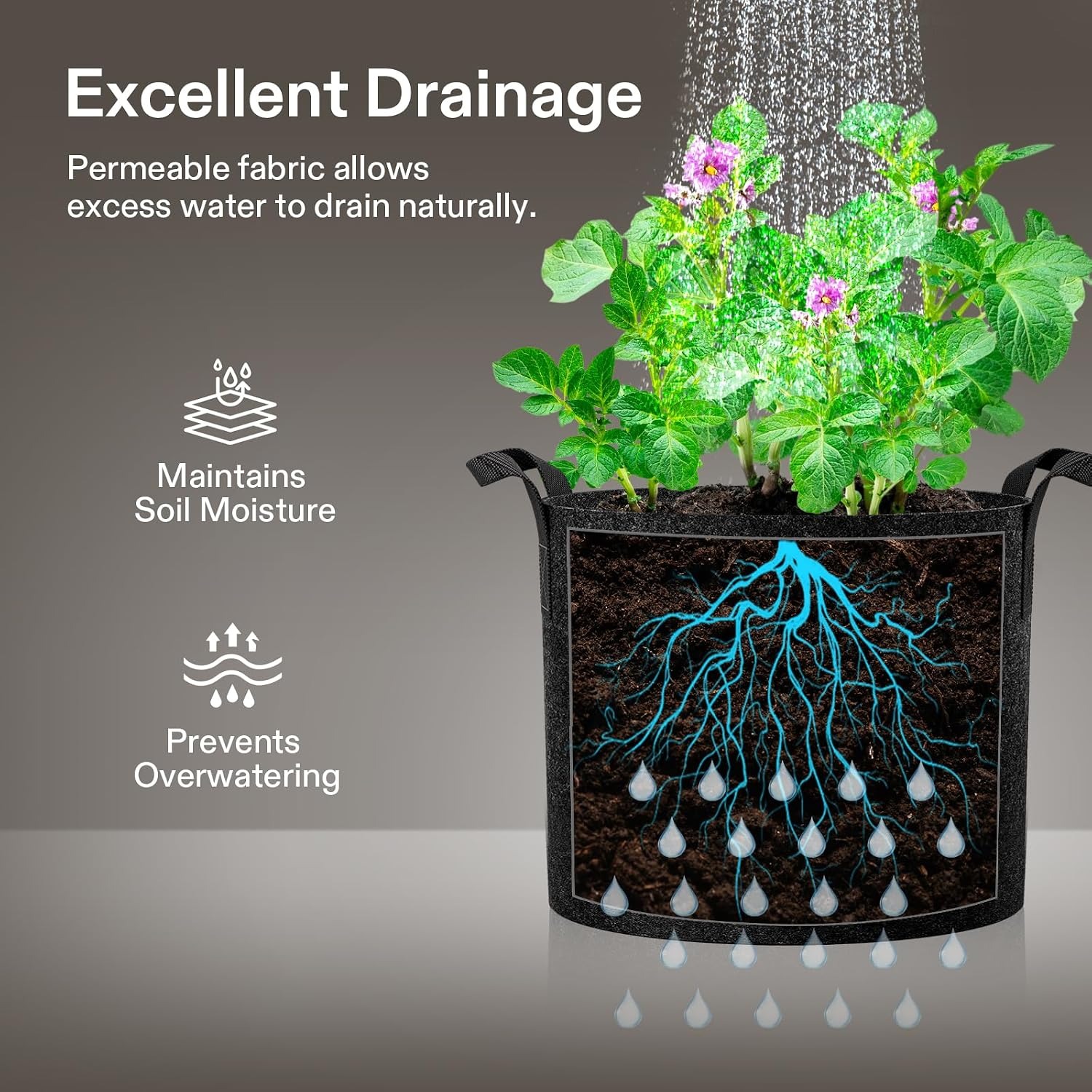
Drainage Built InDrainage holes help excess water leave instead of pooling at the base.
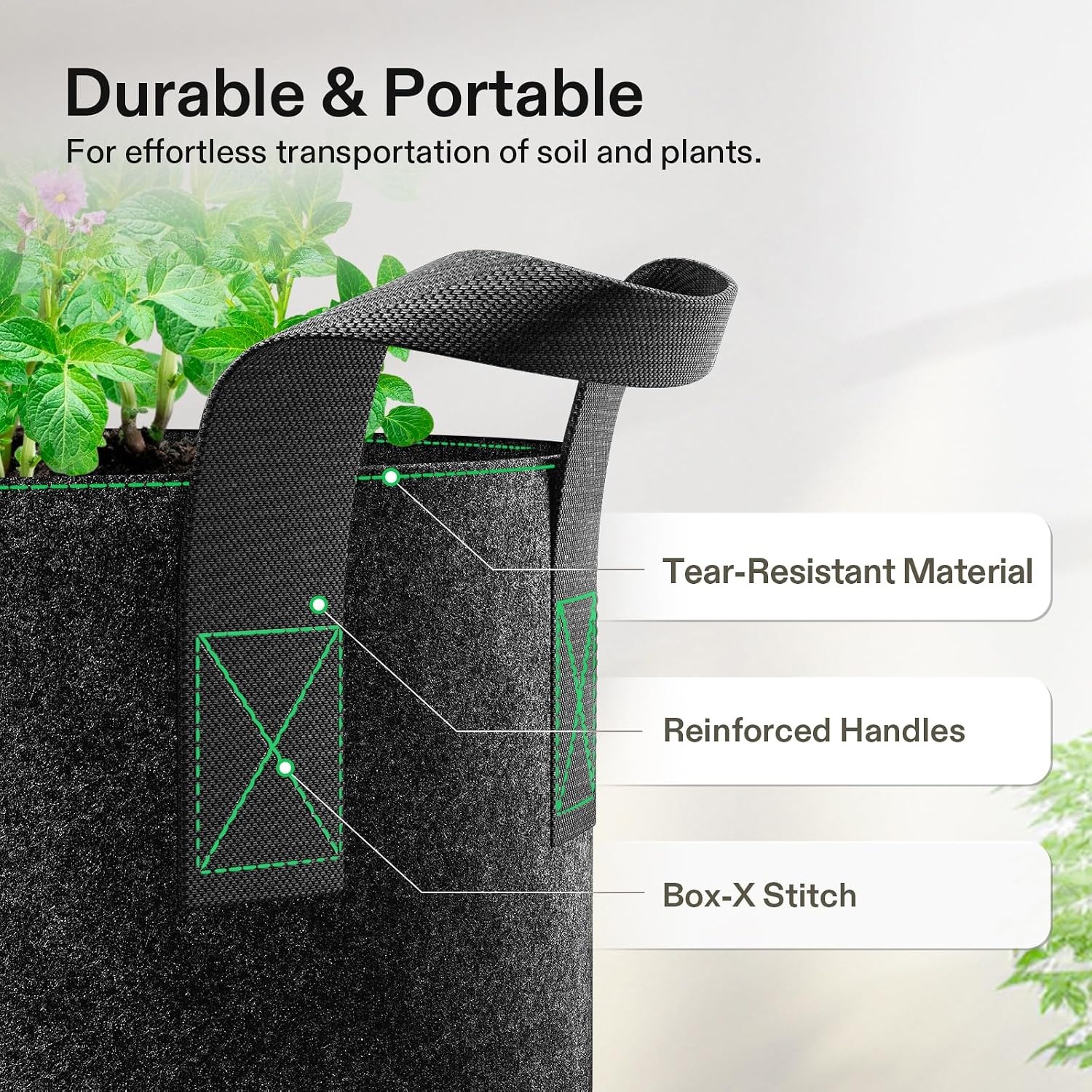
Reinforced HandlesStrap handles make it easier to shift a planted bag into better light.
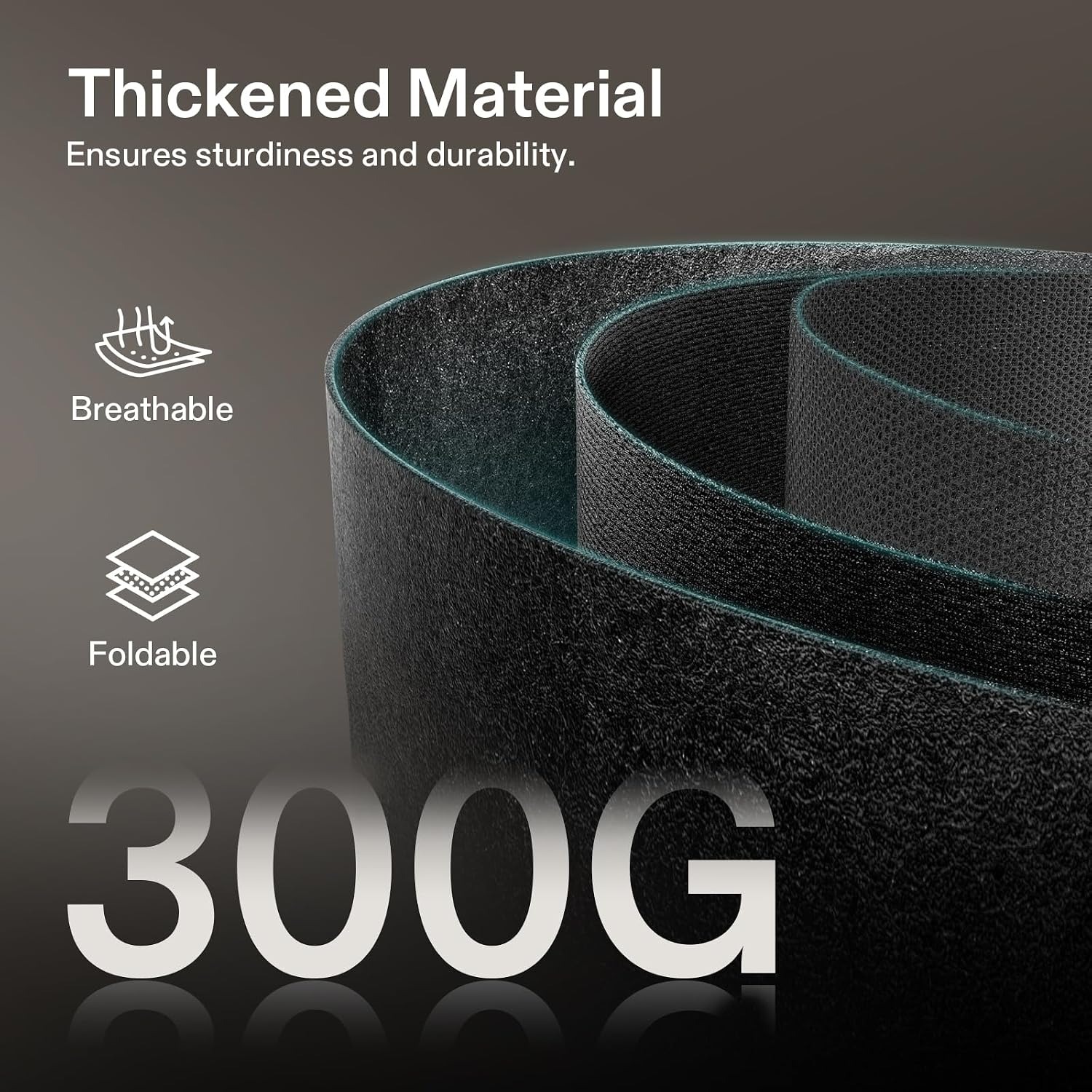
Breathable FabricNonwoven fabric lets air reach the soil around the edges of the bag.

Grow a real crop of spuds on a patio, balcony or back lawn with potato grow bags that set up in minutes.

A five-pack of 10 gallon nonwoven fabric planter bags with reinforced strap handles, drainage holes and a cylindrical shape that stands up on its own while you fill it.

Each pack contains five 10 gallon potato grow bags, so you can plant a staggered crop and harvest over several weeks instead of all at once.

The nonwoven fabric body is breathable, which lets air move through the sides of the soil rather than sealing it in like a solid plastic pot.

Drainage holes let surplus water escape after heavy rain or a generous watering, which matters a lot with potatoes.

Strap handles with reinforced stitching give you something solid to grab when a bag needs moving to a sunnier corner.

The cylindrical shape holds itself upright while you shovel soil in, so you are not wrestling a floppy sack on your own.

Potato Grow Bags, 5 Pack

Potatoes are one of the easiest crops to grow badly in the ground and one of the easiest to grow well in a bag. In open soil they wander, they tangle with stones, and digging them up turns into an archaeological project. In a fabric bag they stay where you put them. When harvest day comes you tip the bag over onto a tarp and pick the spuds out with your hands. That single difference is why so many people who have no garden at all still manage a respectable potato harvest every year.

Potato Grow Bags, 5 Pack

This pack gives you five bags, each holding 10 gallons. That is a sensible working size. Big enough for a decent root run, small enough that a planted bag is still movable with the strap handles. Five bags also means you can plant in waves, a fortnight apart, so you are not staring at one enormous glut in August and then nothing. Gardeners with limited space often rate this as one of the best container gardening bags approach going, simply because the maths of succession planting finally works.

Potato Grow Bags, 5 Pack

The body is nonwoven fabric rather than rigid plastic. Fabric breathes along its whole surface, so air reaches the soil from the sides as well as the top. Drainage holes handle the water that does not get used. Potatoes dislike sitting in saturated soil, and a pot without an escape route for water is a common reason first attempts fail. The bag shape is cylindrical and rigid enough to stand on its own while you are filling it, which sounds like a small thing until you have tried to hold open a limp sack with one hand and shovel compost with the other.

Potato Grow Bags, 5 Pack

These are listed for outdoor use, and that is where they make the most sense. A sunny patio, a porch step, the strip of concrete down the side of the house, a flat roof terrace. They sit on hard surfaces without needing a bed built first. People also use the same bags for tomatoes, courgettes, bush beans and herbs once the potato season winds down, which is part of why they rank among the best grow bags for vegetables rather than being a single-crop item.

Potato Grow Bags, 5 Pack

At the end of the year the bags empty, rinse and fold flat. Five of them take up less storage room than a single plastic pot. Shake out the old compost onto a border or the compost heap, hose the fabric down, let it dry properly and put it away. Next spring you start again with nothing to buy except seed potatoes and fresh compost.

Not sure yet? That is fine.

You can change your mind. You have 15 days from delivery to return an unused item in its original packaging for an exchange or a refund. You cover the cost of shipping it back.

If it turns up faulty, damaged or not as described, tell us and our customer service team will sort it. Read the full detail on our refunds and returns page, or ask us anything before you order.

Frequently Asked Questions

What exactly comes in the pack?

You receive five grow bags, each with a 10 gallon capacity. They arrive folded flat, so the shipping box is much smaller than the bags look once opened. Nothing else is required beyond compost and your seed potatoes.

How big is each bag?

Each bag holds 10 gallons. The listing gives item dimensions of 22.1 x 22.1 x 11.9 cm for the product as supplied folded, with overall package dimensions of 40.4 x 40.4 x 30.2 cm. Capacity is the figure to go by when planning soil volume.

What is the bag made from?

The material is listed as nonwoven fabric. That is the soft, felt-like textile used for most fabric planters. It is breathable rather than waterproof, which is the whole point of it.

Why use fabric instead of a plastic pot?

Fabric lets air move through the sides of the root zone instead of sealing it off. It also drains more freely across the whole surface, not just through a couple of holes in the base. Many growers find roots develop more evenly in fabric than in solid containers.

Do the bags have drainage?

Yes, the listing notes a drainage hole as a special feature. Surplus water can leave the bag rather than collecting at the bottom. Always stand the bags where runoff will not stain a surface you care about.

How many potato plants go in one bag?

Two to three seed potatoes per 10 gallon bag is a common approach. You can push to four if you want more, smaller tubers. Crowding them much beyond that tends to reduce overall yield rather than increase it.

Can I grow things other than potatoes?

Yes. The listing names flowers and herbs as suitable plant types, and 10 gallon bags are a popular size for tomatoes, peppers, courgettes and bush beans too. Many buyers treat them as general purpose rather than potato-only.

Are these suitable for a balcony?

They work well on balconies as long as the surface can take the weight of wet soil and you can manage runoff. A saucer or tray underneath helps on a shared balcony. These are often picked as the best balcony planters precisely because they fold away in winter.

Are they for indoor or outdoor use?

The listing specifies outdoor use. Indoors you would need a waterproof tray under each one, and most homes do not get enough light for potatoes anyway. Keep them outside where they belong.

Will the handles take the weight of a full bag?

The strap handles have reinforced stitching and are made to be lifted. That said, a 10 gallon bag of wet compost is heavy, so lift with both handles, bend your knees, and consider moving bags before watering rather than after.

How much compost do I need per bag?

Plan on roughly 10 gallons of growing medium per bag if you fill it to the top, though most potato growers start with a third full and add more as the plants grow. Over five bags that is a decent quantity, so buy compost in bulk if you can.

Do I need to earth up potatoes in a bag?

Yes, the same principle applies. Start with soil part way up, then add more as the shoots rise, leaving the top few leaves exposed. The fabric sides hold the added soil in place without any need for a frame.

How often should I water?

Fabric bags dry faster than plastic pots because they breathe, so check daily in warm weather. The top few centimetres should feel damp, not soggy. In peak summer you may need to water every day.

Will the fabric rot over a season?

Nonwoven fabric is made to sit outdoors through a growing season. Keeping the bags dry over winter and out of constant harsh sun helps them last. The listing does not state a specific lifespan, so we will not claim one.

Can I leave them out over winter?

It is better to empty, clean and store them dry. Sitting full of wet soil through freezing weather is hard on any container. Folded away in a shed, they take up almost no room.

How do I clean them?

Empty the soil out, shake the bag, then rinse with a hose. A soft brush and plain water will shift anything stubborn. Let them dry fully before folding to avoid mustiness.

Can they go in the washing machine?

We do not recommend it. Soil grit is hard on a machine, and the agitation can stress the stitching. Hand rinsing outdoors is quicker and kinder to the bag.

Do they stand up on their own?

The cylindrical shape is rigid enough to stand while you fill it, which makes solo planting much easier. Once there is soil in the base they are very stable. On a windy roof terrace, part-fill before you plant.

What colour are they?

Black. A dark bag warms soil earlier in spring, which potatoes appreciate, though in very hot climates you may want to shade the sides during a heatwave.

Are they reusable year after year?

Yes, they are designed to be emptied, cleaned and used again. How long they last depends on sun exposure, handling and storage. Treat them gently and they will see you through multiple seasons.

Can I put them directly on grass?

You can, though the grass underneath will die back and worms may find their way in through the fabric. Many people prefer paving, gravel or a board. On a lawn, move them occasionally.

Do I need to line them?

No lining is needed. Adding plastic inside would defeat the breathability and drainage that make fabric bags useful in the first place. Fill them with compost and plant straight in.

Is this a good gift for a gardener?

It is a practical one, especially for someone with a small outdoor space or a first flat. Five bags folded flat make an easy parcel. Pair them with a bag of seed potatoes for a complete present.

What is the weight of the item?

The item weight is listed as 898 g. That is for the pack, which is light because the bags are empty fabric. Shipping is straightforward as a result.

Can I stack or nest them for storage?

Yes, once dry they fold or roll and sit neatly together. Five take up about the same room as a folded towel. That is a real advantage over rigid pots in a small shed.

Will they blow away when empty?

Empty bags are light and can catch wind, so weight them down or store them indoors before a storm. Once planted and watered they are heavy enough to stay put in normal weather.

Do they work in a greenhouse?

Many growers use fabric bags under cover. Bear in mind they dry out faster in a greenhouse, so watering becomes more frequent. The listing itself specifies outdoor use.

How do I harvest potatoes from a bag?

Wait until the foliage yellows, then tip the bag onto a tarp or into a wheelbarrow and sort the tubers out by hand. No digging, no fork damage. Save the spent compost for borders or the compost heap.

What is the delivery cost?

Delivery is tracked across Canada. Orders of $75 or more ship free, and orders under that amount are $25.

What if the bags are not right for me?

Contact us and we will sort it out. If they arrive damaged or are not what you expected, tell us promptly and we will arrange a return or replacement. Keep the packaging until you are sure you are keeping them.

The Practical Guide to Growing Potatoes in Fabric Bags

6 min read Clearance Warehouse

The problem with growing potatoes in the ground

Potatoes are a generous crop. Put a few seed potatoes in decent soil, water them, and they will usually reward you. The trouble is everything around that simple process.

In an open bed, potatoes spread. Their roots wander into whatever space they can find, and by the time the foliage dies back, you genuinely do not know where the crop is. Harvesting means digging blind with a fork and skewering about one tuber in six. Then there is the soil itself. Stony ground gives you misshapen spuds. Heavy clay holds water and encourages rot. And if you have grown potatoes in that patch before, you may be building up problems in the soil that take years to clear.

Then there is the bigger issue, which is that plenty of people do not have a bed at all. A balcony, a concrete yard, a few square metres of paving by the back door. Traditional advice assumes you have soil. Most people reading this do not.

Fabric grow bags solve all of that at once. You bring your own soil. You control the drainage. You put the crop exactly where the sun is. And when harvest day arrives, you tip the bag over and pick the potatoes up off a tarp.

How a fabric grow bag actually works

A fabric planter is a soft-sided container made from nonwoven textile. It looks a bit like thick felt. The material matters more than it might seem.

A plastic pot is sealed on every side except the drainage holes in the base. Water goes down, hits the bottom, and sits there. Air only reaches the soil from the top surface. Roots that hit the plastic wall turn and circle the inside of the pot, going round and round until the plant is pot-bound.

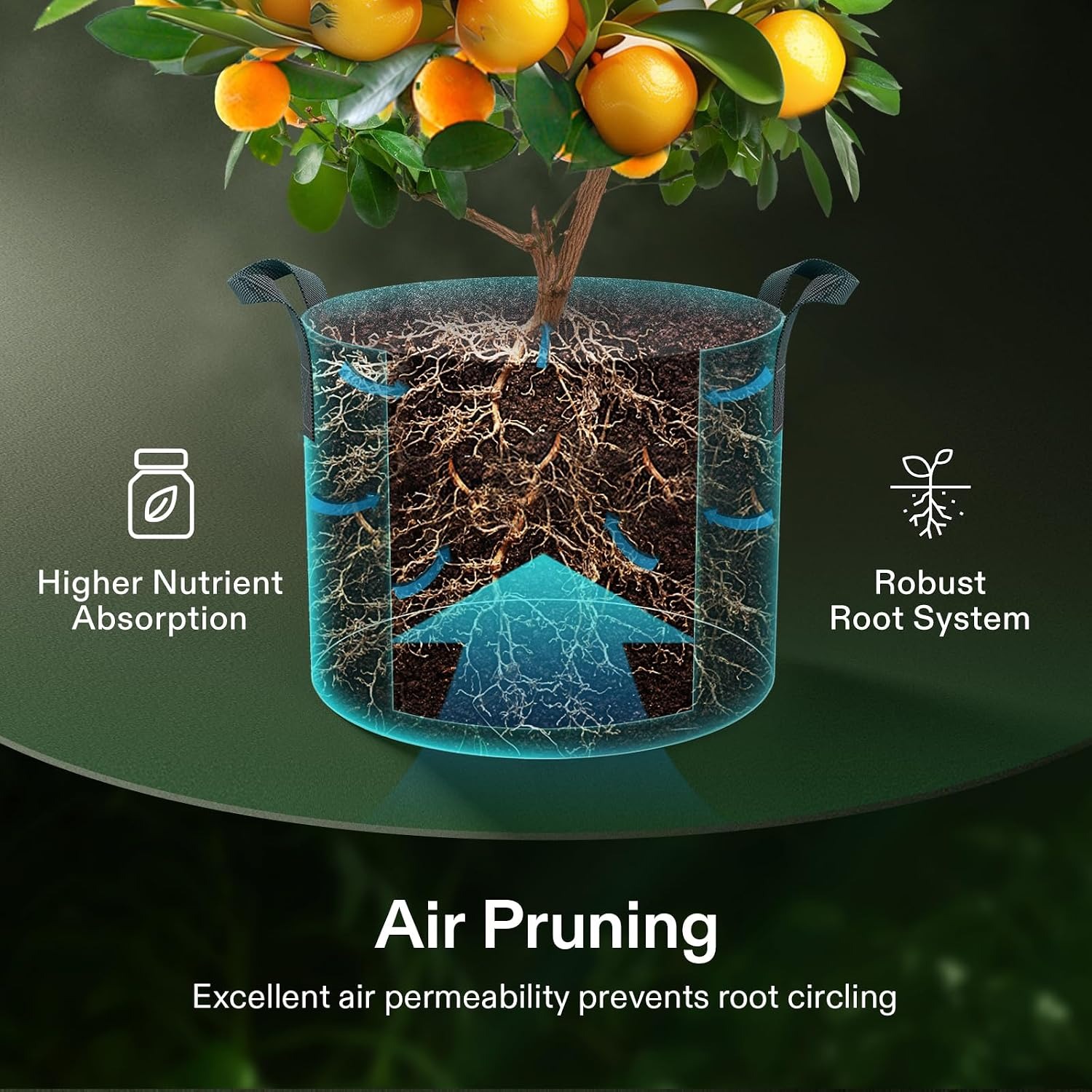
Fabric behaves differently. Water leaves through the sides as well as the base, so soil drains more evenly and waterlogging is much less likely. Air reaches the soil around the whole perimeter. When a root reaches the fabric edge and meets drier, air-exposed conditions, it stops extending and the plant puts energy into branching behind that point instead. Growers call this air pruning. The result is a root system with lots of fine tips spread through the soil rather than a tangle spiralling the wall.

For potatoes, the drainage side of this is the big one. Potatoes sitting in sodden compost rot. A breathable bag with a drainage hole makes that much harder to do by accident.

These bags are 10 gallons each, which is a well-judged size. Large enough for two or three seed potatoes to do real work, small enough that a planted bag is still movable with the handles. Anything much smaller and you get a handful of marbles. Anything much larger and you need a trolley.

Who these suit

If you have no garden bed, these are an obvious yes. Patios, balconies, porches, driveways, flat roofs, the awkward concrete strip down the side of the house. They stand on hard surfaces without any construction work.

If you do have beds but your soil is poor, stony, or has grown potatoes recently, bags let you sidestep the problem entirely with fresh compost.

They also suit anyone who wants a staggered harvest. This is where a five-pack earns its keep. Plant bag one in early spring, bag two a fortnight later, and keep going. Instead of one overwhelming pile of potatoes in a single week, you lift a bag at a time over a month or more. Anyone who has tried to eat thirty kilos of new potatoes in ten days will understand why this matters.

And they suit people who want their containers gone in winter. Rigid pots sit in a corner all year taking up room. Fabric bags empty, rinse and fold into a space the size of a cushion.

Choosing and setting up

Start with position. Potatoes want sun, ideally six hours or more a day. Pick the spot before you fill the bags, because a planted 10 gallon bag is heavy and moving it is a two-handed job.

Next, compost. Use a decent multipurpose or a vegetable-specific mix. Do not use soil dug from a border, which compacts in a container and brings weed seeds with it. You want something light that holds moisture without turning to sludge.

The filling technique for potatoes is slightly different from other crops. Do not fill the bag to the top at the start. Put roughly ten to fifteen centimetres of compost in the base, set your seed potatoes on it with the sprouts facing up, and cover them with another ten centimetres. As the shoots grow, keep adding compost around them and leave the top few leaves showing. This is earthing up, and it encourages the plant to form tubers along the buried stem. By midsummer the bag should be close to full.

Two or three seed potatoes per bag is the standard. You can go to four if you prefer a larger number of smaller potatoes. Beyond that, the plants compete and you end up with less in total.

Watering is where most people go wrong. Fabric breathes, so bags dry out faster than plastic pots. In warm weather, check daily. Push a finger into the top few centimetres. If it is dry, water. If it is damp, leave it. Potatoes need steady moisture, especially once the tubers start forming, but they do not want to sit wet.

Care, cleaning and getting years out of them

During the season, there is very little to do beyond watering, earthing up and keeping an eye out for pests. A liquid feed every couple of weeks once flowering starts is helpful, though not essential if you started with good compost.

Harvest when the foliage yellows and dies back. Stop watering for a week or so to let the skins firm up, then tip the bag onto a tarp, a wheelbarrow or an old sheet. Sort the potatoes out by hand. This is the genuinely enjoyable part and the main reason people stick with bags once they have tried them.

Afterwards, shake the spent compost out. It is not worthless. Spread it on borders, mix it into next year's mix, or add it to the compost heap. Do not reuse it straight for another potato crop, since that defeats the purpose of starting fresh.

Then rinse the bag with a hose. A soft brush and plain water will deal with anything that has dried on. Skip bleach and solvents. Let the fabric dry completely, which usually takes a sunny day or two, and fold it away somewhere dry and out of direct sunlight. Sun and damp are the two things that age fabric planters fastest.

Handled that way, a set of bags will see you through multiple seasons. We will not put a number on it, because how long yours last depends on your weather, how roughly you handle them and where you store them.

Beyond potatoes

Once the potato season ends, do not put the bags straight away. Ten gallons is a good size for tomatoes, which like a deep root run and a container that drains well. Courgettes, bush beans, chillies, peppers and dwarf fruit all do fine in this size. The listing also names flowers and herbs as suitable plant types, so a bag of mixed herbs by the kitchen door is well within scope.

That flexibility is worth bearing in mind when you look at the price across five bags. These are not a single-use item for one crop in one season.

The short version

Potatoes grow well in bags because you control the soil, the drainage and the position, and harvesting means tipping rather than digging. Fabric lets air and water through the sides, which suits potatoes far better than a sealed plastic pot. Ten gallons per bag fits two or three seed potatoes comfortably.

Five bags gives you the option of planting in waves so the harvest spreads out. Fill a third at first, earth up as the shoots rise, water often in hot weather, and tip the lot out when the leaves yellow. Clean and dry the bags before storing, and they fold into almost no space until next spring.

Browse the shop

Not sure how many bags you need?

Five bags suit most patios, and planting them a fortnight apart spreads your harvest across several weeks instead of one busy weekend.

Ask us a question

Page summary

Potato Grow Bags, 5 Pack is a set of five 10 gallon fabric planter bags for outdoor container growing. Each bag is made of nonwoven fabric in black, cylindrical in shape, with a drainage hole and strap handles with reinforced stitching. Listed item dimensions are 22.1 x 22.1 x 11.9 cm, package dimensions are 40.4 x 40.4 x 30.2 cm, and item weight is 898 g. The listing names flowers and herbs as suitable plant types, mounting is floor standing, and the finish is unfinished. Suited to patios, balconies and small gardens where ground beds are not available.