

Clearance Warehouse Canada
Company
Shop By Category
T&Cs
Shop Online
  • Free delivery across Canada on orders of $75 or more
  • Lawn and garden, home improvement, bedding, car, kids and health lines in one place
  • Dispatch within 2 working days, then delivery in up to 7 working days by tracked courier
  • Tracking number emailed as soon as your order ships

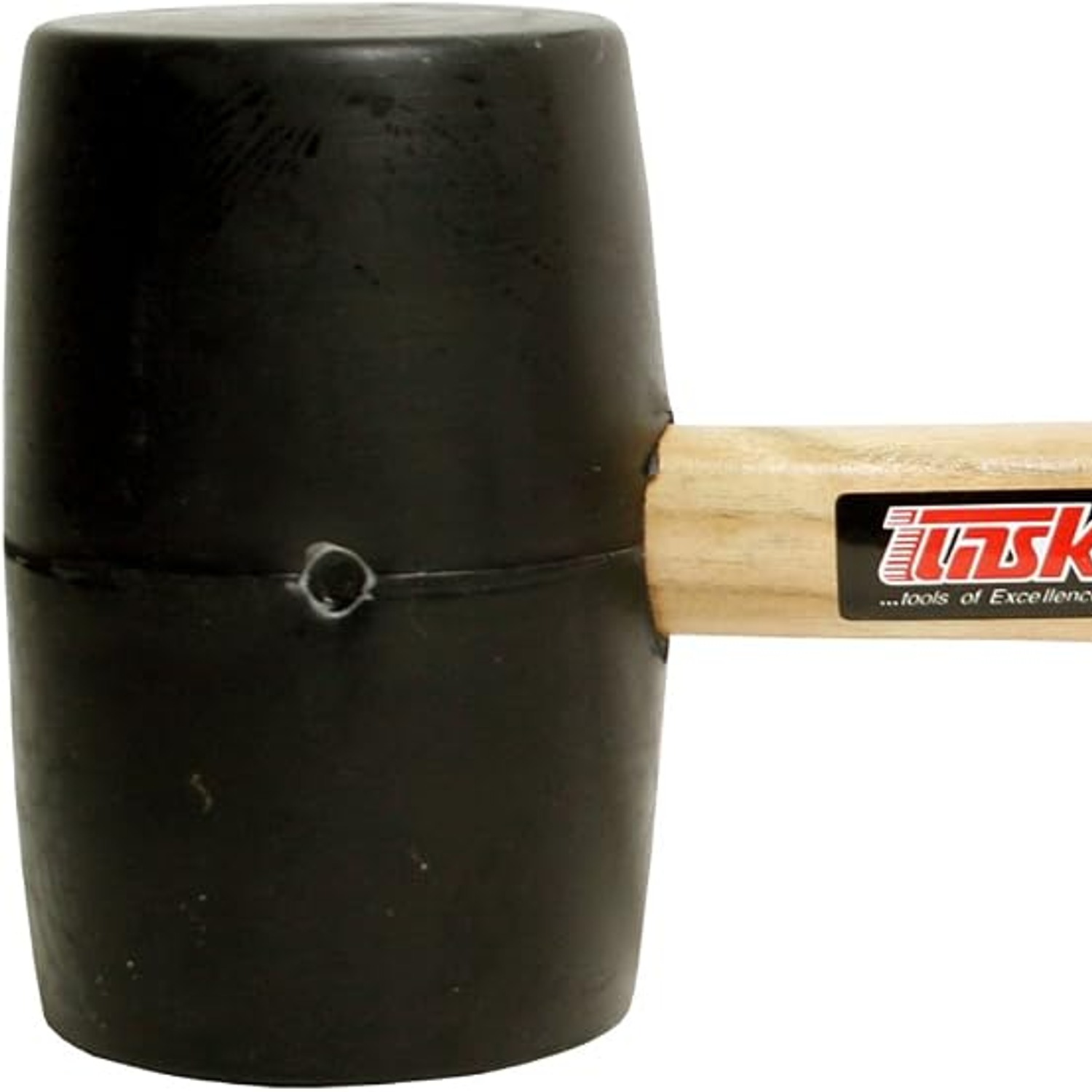
Rubber Mallet | Rubber Mallet With Wood Handle | Soft Blow Hammer

Bring a rubber-faced touch to your garden-edging jobs

Rubber Mallet With Wood Handle

$20.49 $24.59 Save $4.10
  • Softer Blow
  • 906 g Head
  • Contoured Handle
  • Wide Use

Price: $20.49 $24.59

  • Delivery time: up to 7 working days by tracked courier, after dispatch within 2 working days
  • Free delivery on orders $75+, otherwise a flat $25
  • Pay by card or PayPal, handled by the payment provider
  • 15 days from delivery to return an unused item, plus your statutory rights
Product specifications
Product TypeRubber Mallet
Head MaterialRubber
Head StyleFlat
Handle MaterialRubber
Grip TypeContoured
ColourBlack
Item Weight906 g
Number Of Items1
Unit Count1 Count
Number Of Packs1
Weight906 g
Shipping & returns

Tracked delivery across Canada. It is free on orders of $75 or more, and a flat $25 below that. Allow up to 7 working days in transit after dispatch within 2 working days.

You have 15 days from delivery to return an unused item in its original packaging for an exchange or a refund. You cover the cost of shipping it back.

If it arrives faulty, damaged or not as described, tell us right away and our customer service team will sort it.

Shipping details · Refunds and returns

Softer BlowRubber head moves the work without the dents a steel hammer leaves.
906 g HeadEnough mass to drive pegs and spikes with fewer swings.
Contoured HandleShaped grip helps keep the swing steady and predictable.
Wide UseGood for sheet metal, edging, pegs, panels and general assembly.

A rubber mallet that drives edging spikes, pegs and panels home without leaving a single dent behind.

A 906 g flat rubber head paired with a contoured handle gives you a softer blow than a steel hammer, steady control, and clean results on sheet metal, timber and garden edging.

A rubber mallet built for jobs where a steel hammer would mark, dent or crack the surface you are hitting.

The flat rubber head spreads the force across a wider area, so edging spikes and tent pegs go in straight instead of mushrooming.

At 906 g the head carries real weight, which means fewer swings and less arm fatigue on a long run of garden edging.

The contoured handle gives your hand a defined place to sit, so you keep control even when you are working at an awkward angle.

It is a simple tool that quietly earns its place in a toolbox, a garden shed or the boot of the car.

There is a moment every gardener and weekend builder knows. You line up a plastic edging spike, swing a claw hammer at it, and the head splits into a mushroom of torn plastic before it is halfway in. The spike is now useless, the edging is crooked, and you have another forty of them to go. That is the exact problem a rubber mallet solves. The soft head spreads the impact instead of concentrating it in one hard point, so the spike takes the force down its length and sinks in rather than deforming at the top.

This mallet has a flat rubber head weighing in at 906 g in total. That weight matters more than people expect. Too light and you end up tapping away for ages, which is slower and harder on your wrist than a few confident swings. The mass here lets the tool do the work. You lift it, let it fall with a bit of guidance, and the head delivers a solid but forgiving blow. On a long run of lawn edging or a row of tent pegs, that difference adds up quickly.

The handle is contoured, which simply means it is shaped rather than a plain straight stick. Your hand finds the same spot every time, which helps with accuracy when you are swinging at something small like a peg head or a panel edge. Control is half the point of a mallet. You are usually hitting something delicate, at an odd angle, often while crouched over a garden bed or leaning into a car panel, and a grip that stays put makes those swings far more predictable.

Beyond the garden, it earns its keep in the workshop. Sheet metal is the classic use, because a rubber head can persuade a panel into shape or knock a flange flat without stretching or marking the surface. The same logic applies to tapping laminate flooring boards together, seating paving slabs, closing up furniture joints, freeing a stuck part on a bench, or knocking a hubcap back on. Anywhere a steel hammer would leave a bruise, this is the tool you reach for instead.

It is worth being clear about what this is not. A rubber mallet is not a demolition tool and it is not a substitute for a steel hammer when you actually need to drive a nail or break something apart. Used that way it will wear out fast. Used for what it is designed for, it is one of those tools that lasts for years and gets quietly borrowed by everyone in the household. Keep it dry, wipe the head after muddy jobs, and it will keep delivering the same soft, controlled blow.

Not sure yet? That is fine.

You can change your mind. You have 15 days from delivery to return an unused item in its original packaging for an exchange or a refund. You cover the cost of shipping it back.

If it turns up faulty, damaged or not as described, tell us and our customer service team will sort it. Read the full detail on our refunds and returns page, or ask us anything before you order.

Frequently Asked Questions

What is a rubber mallet used for?

A rubber mallet is used anywhere you need to hit something hard without damaging it. Common jobs include driving garden edging spikes and tent pegs, tapping laminate flooring boards together, seating paving slabs, shaping sheet metal, and closing up furniture joints. The rubber head spreads the force so the surface does not dent or crack.

How heavy is this mallet?

The item weight listed is 906 g. That is enough mass to drive pegs and spikes with a handful of confident swings rather than a long series of taps. It is a comfortable weight for most people to swing one-handed for a reasonable stretch of work.

What is the head made from?

The head is rubber and the head style is flat. Rubber is the standard choice for a soft blow hammer because it absorbs and spreads the impact instead of concentrating it in one hard spot. That is what stops it from marking the work.

What is the handle made from?

The listing specifies rubber as the handle material with a contoured grip type. The product is sold under the name Rubber Mallet With Wood Handle. If the exact handle construction matters for your use, note that the record here lists rubber as the handle material.

How long is the mallet overall?

The overall length is not specified in this product record. Mallets in this general weight class usually have a handle long enough for a controlled one-handed swing. We only list the figures the supplier record provides.

What diameter is the head?

What is listed is a flat head style in rubber, with a total item weight of 906 g. We do not publish measurements that are not given.

Is this the best rubber mallet for garden edging?

It is a sensible choice for edging work because the soft head drives plastic and metal edging spikes without mushrooming the tops. The 906 g weight means you are not tapping endlessly down a long border. Lining the spike up straight before you swing matters just as much as the tool.

Will it damage plastic garden edging?

It is far gentler than a steel hammer, which is the whole reason to use one. The rubber head spreads the impact across the spike head instead of punching into it. Swing with controlled force rather than full power and plastic edging usually survives fine.

Can I use it on sheet metal?

Yes, sheet metal is one of the classic uses for a rubber mallet. The soft head lets you persuade a panel into shape or flatten a flange without stretching or scarring the surface. It is a common pick when people look for the best mallet for sheet metal work.

Is it suitable for automotive panel work?

It is often used for light panel tasks such as knocking a hubcap on, easing a trim piece into place or tapping a panel edge. For serious bodywork you would normally pair a mallet with a dolly and other shaping tools. Treat it as one tool in a kit rather than the whole kit.

Can I use it for tent pegs when camping?

Yes, and it is a popular use. The rubber head drives pegs without splitting plastic heads or burring over metal ones, and 906 g is enough to get pegs into firm ground. Many people keep one in the car for exactly this reason when looking for the best mallet for tent pegs.

Is it good for laying laminate or click flooring?

Yes, it is a standard tool for that job. You tap against a tapping block rather than the board edge directly, and the soft head closes the joints without chipping the laminate surface. It is frequently recommended as the best mallet for laminate flooring installs.

Can I use it for paving and patio slabs?

It is well suited to bedding slabs into sand or mortar, where you need firm taps that will not chip the corners. For heavier blocks some people prefer a larger mallet, but this weight handles typical patio and path work. Go gently on thin or delicate stone.

Can it be used for tiling?

Yes, light taps through a block can help seat tiles evenly in adhesive. Use very controlled force, because tile is brittle and over-enthusiastic blows will crack it. Many tilers keep a soft blow hammer in the bucket for this reason.

Will it work for driving wooden stakes?

It will drive light stakes and pegs into soft or prepared ground without splitting the tops the way a steel hammer can. For heavy fence posts or stakes in hard ground you need a proper post driver or a sledge. Match the tool to the resistance you are fighting.

How is it different from a steel hammer?

A steel hammer concentrates force into a small hard point, which is what you want for nails and demolition but exactly what dents and chips softer materials. A rubber mallet spreads the same force over a wider, forgiving surface. Think of it as moving things rather than driving them in.

How is it different from a dead blow hammer?

A dead blow hammer has loose shot or sand inside the head that reduces bounce back and transfers more energy into the work. A rubber mallet is simpler, lighter in the hand and bounces more, but it is also cheaper and perfectly adequate for most garden and home tasks. For a lot of jobs the difference barely matters.

Will it leave black marks on light surfaces?

Black rubber can sometimes leave a scuff on very light or porous surfaces, particularly if the head is dirty. Wiping the head clean before you start reduces it, and most marks lift with a damp cloth or a little soapy water. Test on a hidden area if the surface is precious.

Can it be used indoors?

Yes. It is quieter than a steel hammer and much less likely to mark floors, skirting or furniture. Flooring installs, flat pack assembly and furniture repair are all common indoor uses.

Is it suitable for flat pack furniture assembly?

Very much so. Dowels, cam fittings and backing panels all go together better with a few soft taps than with a steel hammer. The rubber head will not dent the melamine or veneer surfaces that scratch so easily.

Is one mallet included or is it a set?

One mallet is included. The listing specifies a unit count of one and a single pack. There are no additional heads or accessories in the box.

What colour is it?

The colour listed is black, with a flat rubber head. Head colour is largely cosmetic, though lighter non-marking heads are sometimes chosen for very pale surfaces. Keeping the head clean matters more than the colour.

How do I look after it?

Wipe the head after muddy or sandy jobs so grit is not pressed into the rubber on the next swing. Dry the handle before putting it away and store it somewhere dry rather than leaning in a damp corner. Check the head-to-handle joint occasionally and retire the tool if it loosens.

Can it be left outside in the shed?

A dry shed is fine. What you want to avoid is standing water, constant damp and long spells in direct sun, since both moisture and UV age tools over time. Hanging it on a hook keeps it off a wet floor.

How long will it last?

Used for soft blow work it should last for years of ordinary garden and home use. What kills a rubber mallet is using it as a substitute for a steel hammer on nails, masonry or anything with sharp edges, which gouges and tears the head. Stick to the jobs it is designed for.

Can the head be replaced?

Replacement heads are not listed as part of this product. This is supplied as a single complete mallet. If the head wears out after long service, the usual approach is to replace the tool.

Where is it made?

The country of origin is not specified in this product record. The manufacturer contact details listed are in Kenmore, WA, United States. We do not state a country of manufacture that the supplier record does not give.

How is it delivered?

Delivery is tracked, so you can follow the parcel from dispatch to your door. Delivery charges and timeframes depend on the storefront you are ordering from and are shown at checkout before you pay. The mallet ships as a single item.

Does it make a good gift?

It is a genuinely useful gift for a new homeowner, a keen gardener, a camper or anyone setting up a first toolbox. It is the sort of tool people rarely buy for themselves and then use constantly. Pairing it with garden edging or a peg set makes it feel more considered.

What if it is not right for me?

If the mallet is not what you expected, get in touch with our team and we will walk you through the returns process for your storefront. Keep it in unused condition with its packaging where you can, as that makes the return straightforward. If it arrives damaged, send us a photo and we will sort out a replacement or refund.

Rubber Mallet Buyer's Guide: Choosing a Soft Blow Hammer That Will Not Dent Your Work

6 min read Clearance Warehouse

The problem with hitting things

Most people own one hammer. It is usually a claw hammer, it lives in a kitchen drawer, and it gets used for everything from picture hooks to flat pack furniture. That works right up until the day you need to hit something that does not want to be hit hard.

Plastic garden edging spikes are the classic example. You line one up, swing the claw hammer, and instead of sinking in the spike head splits and spreads into a torn mushroom. Now it will not go any further and it will not come out either. Same story with tent pegs that burr over at the top, laminate boards that chip at the edge, paving slabs with chipped corners, and flat pack panels with a crescent-shaped dent where the hammer slipped.

The problem is not your swing. It is physics. A steel hammer face is small and hard, so all the force lands in one tiny spot. That is exactly what you want for a nail. It is exactly what you do not want for almost anything else.

A rubber mallet fixes this by changing where the force goes. The soft head flexes slightly on impact and spreads the load across a wider area. The thing you are hitting moves, but it does not take a concentrated punch in one place. That is the whole idea, and it is why a mallet belongs in a toolbox alongside the hammer rather than instead of it.

How a rubber mallet actually works

Three things decide how a mallet behaves: head material, head weight and handle.

The head material here is rubber. Rubber gives you a forgiving strike with a fair bit of bounce back, which some people like and some find slightly tiring. The bounce is the trade-off for the low price and the light, lively feel in the hand. The alternative, a dead blow hammer, has loose shot inside the head that kills the bounce and pushes more energy into the work, but it costs more and feels heavier to swing. For garden edging, pegs, flooring and panel work, plain rubber does the job.

Head weight is where most people make the wrong call. This mallet comes in at 906 g total. That sounds like a lot if you are used to a light tack hammer, but it is the weight that makes the tool efficient. With enough mass you can let the head fall and let gravity do most of the work, guiding rather than forcing. Too light a mallet means you have to swing harder to achieve the same result, which costs you accuracy and tires your wrist faster. People shopping for the best rubber mallet often reach for the lightest option and then wonder why the job takes twice as long.

The handle is contoured, which means it is shaped rather than a plain straight stick. That shape does something simple but important. Your hand settles into the same position every time you pick it up, so the angle of the head at impact is consistent. When you are tapping at a peg head the size of a coin, or easing a panel edge into a gap, consistency is worth more than raw power.

Who this suits

Gardeners get the most obvious benefit. Lawn edging, path edging, weed membrane pegs, plant supports, border stakes: all of these involve driving something soft or hollow into the ground without wrecking it. If you have ever lost a third of a pack of edging spikes to hammer damage, you already understand the value.

Campers and anyone who pitches a tent, awning or gazebo will use it constantly. Tent pegs take a beating, and a soft blow hammer gets them in without splitting plastic heads or curling metal ones. It also packs flat enough to live in the car.

Home improvers and DIYers find it comes out more than expected. Laminate and click flooring installs rely on tapping blocks and a mallet. Flat pack assembly goes together without dents. Furniture repair, door frames, skirting, trim: anything where a steel hammer would leave a visible bruise.

Workshop and automotive users reach for it when shaping or persuading metal. Sheet metal is the use case the tool was originally made for, because you can flatten a flange or coax a panel without stretching the material or leaving tool marks. Hubcaps, trim clips and stuck parts on a bench all respond well to a soft blow.

Tilers and paving layers use one for bedding work. A few controlled taps through a block seats a tile or a slab evenly. The key word is controlled, because tile and thin stone are brittle and will crack if you get carried away.

How to choose

Start with weight, because it drives everything else. Lighter mallets around 400 g to 500 g suit delicate indoor work and fine assembly. Something around 900 g, like this one, is the general purpose sweet spot for garden work, pegs, flooring and panel jobs. Heavier again, past about 1.4 kg, starts to be a specialist tool for heavy seating work and gets tiring quickly.

Then think about head material. Black rubber is standard and cheapest. White or tan non-marking rubber exists for very pale surfaces where any transferred colour would show. If you are only ever working on timber, soil, metal and laminate, black is fine, and keeping the head clean takes care of most marking concerns anyway.

Handle shape matters more than handle material for day to day comfort. A contoured grip stops your hand sliding forward under repeated impact, which is both safer and more accurate. Smooth, perfectly round handles look neat but get slippery once your hands are damp or muddy.

Finally, be honest about what you will hit. A mallet is not a demolition tool. If your real need is driving masonry nails, pulling out old fence posts or breaking up concrete, buy the right tool for that instead. Trying to use a soft blow hammer for heavy work tears up the head and achieves very little.

Technique that saves you spikes

A few small habits make a big difference.

Line the work up straight before you swing. Most mushroomed spike heads happen because the spike was at an angle, took the blow off-centre and folded over. Push it in by hand as far as it will go first, check it is vertical, then start tapping.

Use a tapping block for flooring and tiling. Hitting the material directly, even with rubber, is asking for chips. The block spreads the force further again.

Let the weight work. Short, relaxed swings where you guide the head rather than drive it are more accurate and less tiring than swinging flat out. You will also hit what you are aiming at far more often.

Stop when something resists. If a peg or spike suddenly will not move, there is usually a rock or a root in the way. Hitting harder normally just destroys the peg. Move it 10 cm and try again.

Looking after it

This is a low maintenance tool but not a no maintenance one. After muddy or sandy jobs, wipe the head. Grit that gets embedded in the rubber turns a soft face into a mildly abrasive one, which rather defeats the purpose on finished surfaces.

Dry the handle before it goes away. Store the mallet somewhere dry, ideally hanging on a hook rather than standing head-down in a puddle on the shed floor. Long spells in direct sun are not ideal for rubber either.

Check the joint between head and handle every so often. If it starts to move, stop using it. A head that comes off mid swing is genuinely dangerous, and at this price it is not worth nursing a loose one along.

The short version

A rubber mallet is the tool you use when the thing you are hitting is softer than the thing you would normally hit it with. The flat rubber head here spreads the blow so edging spikes, tent pegs, flooring boards, paving slabs and sheet metal all move without taking damage.

At 906 g it has enough weight to be efficient rather than fiddly, and the contoured grip keeps your swing consistent. It is not a replacement for a claw hammer and it will not survive being used as one, but for garden, camping, flooring and workshop jobs it quietly does the work and saves you a pile of ruined spikes along the way.

Browse the shop

Not sure which mallet you need?

Tell us what you are driving or shaping and we will point you to the right weight and head type.

Ask us a question

Page summary

This is a rubber mallet with a contoured handle, sold as the Rubber Mallet With Wood Handle. The listing specifies a flat rubber head, rubber handle material, a contoured grip, black colour, and an item weight of 906 g. It is supplied as a single mallet, one unit per pack. Typical uses include driving garden edging spikes and tent pegs, working sheet metal, seating laminate flooring or paving, and general assembly where a steel hammer would dent or mark the surface.