

The complete guide
How to Choose a Faux Fur Comforter That Still Feels Good in Year Three
The problem with most "cosy" bedding
You buy bedding because the photo looks warm. Then it turns up, and the fabric has that thin, slightly plasticky feel that no amount of styling fixes. Or it feels great for a month, goes through the wash twice, and comes out flat and matted with the pile stuck down in patches.
That is the actual risk with plush bedding, and it is worth saying plainly before you spend anything. A faux fur comforter lives or dies on two things: the depth of the pile, and how the fabric behaves after it gets wet. Everything else is styling.
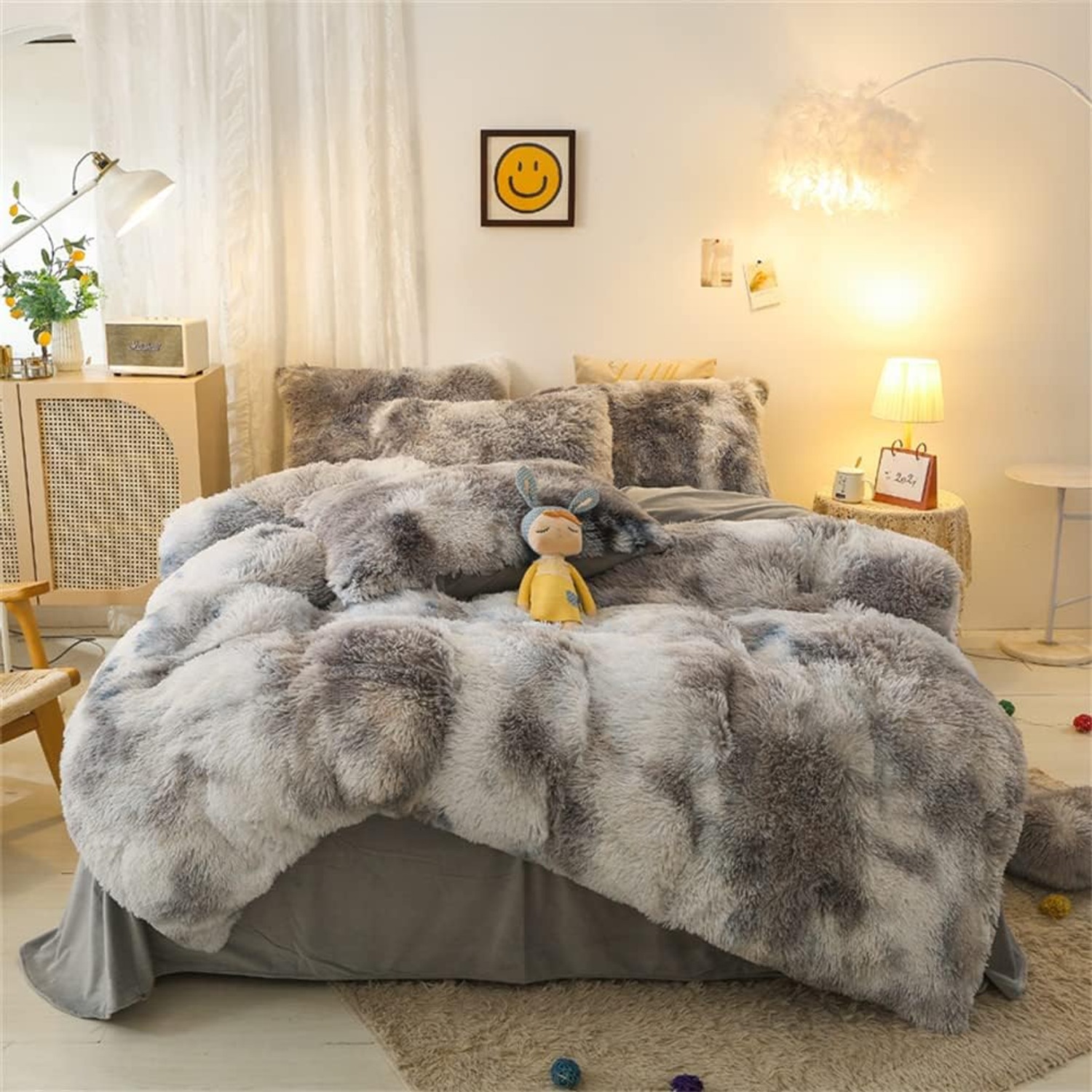
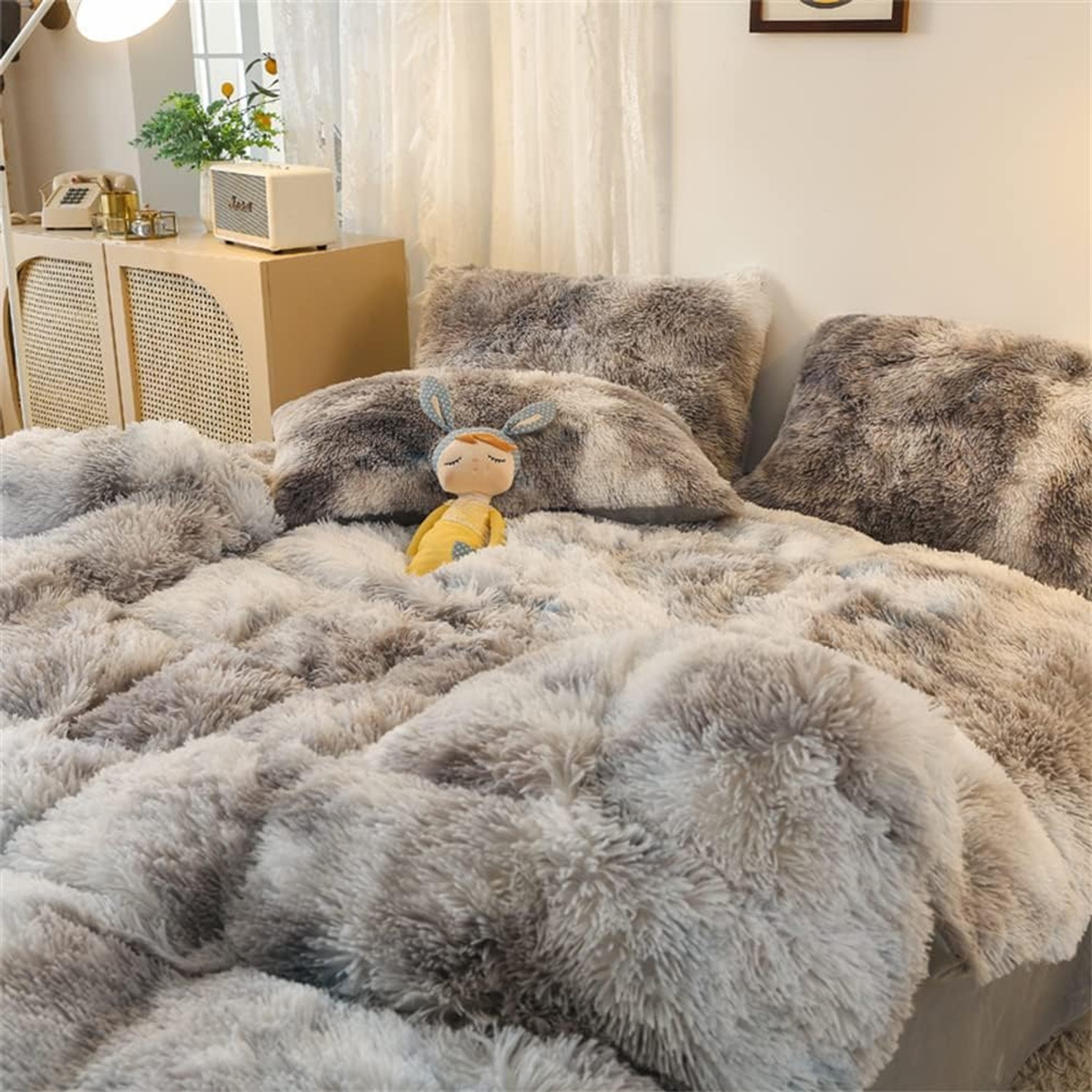
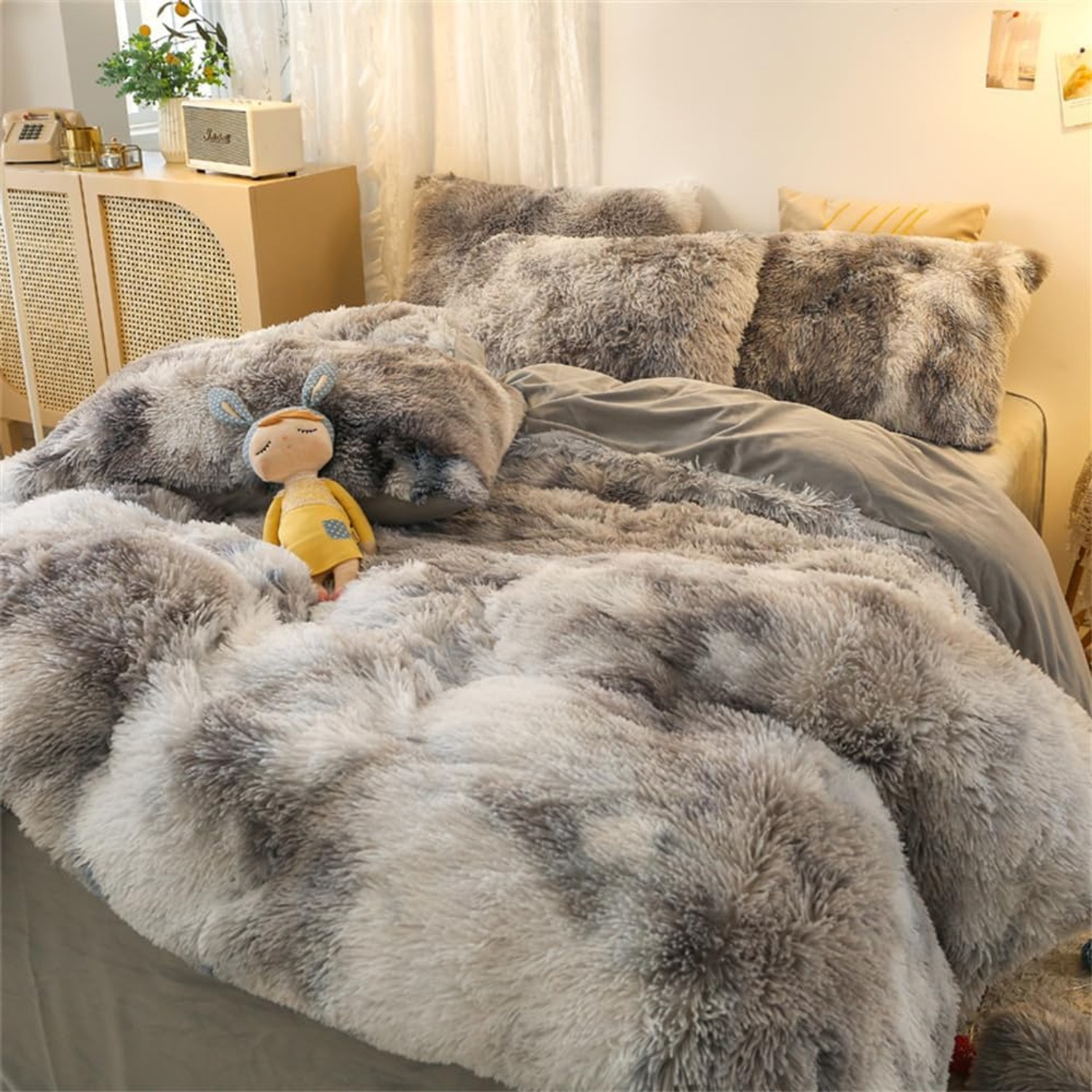
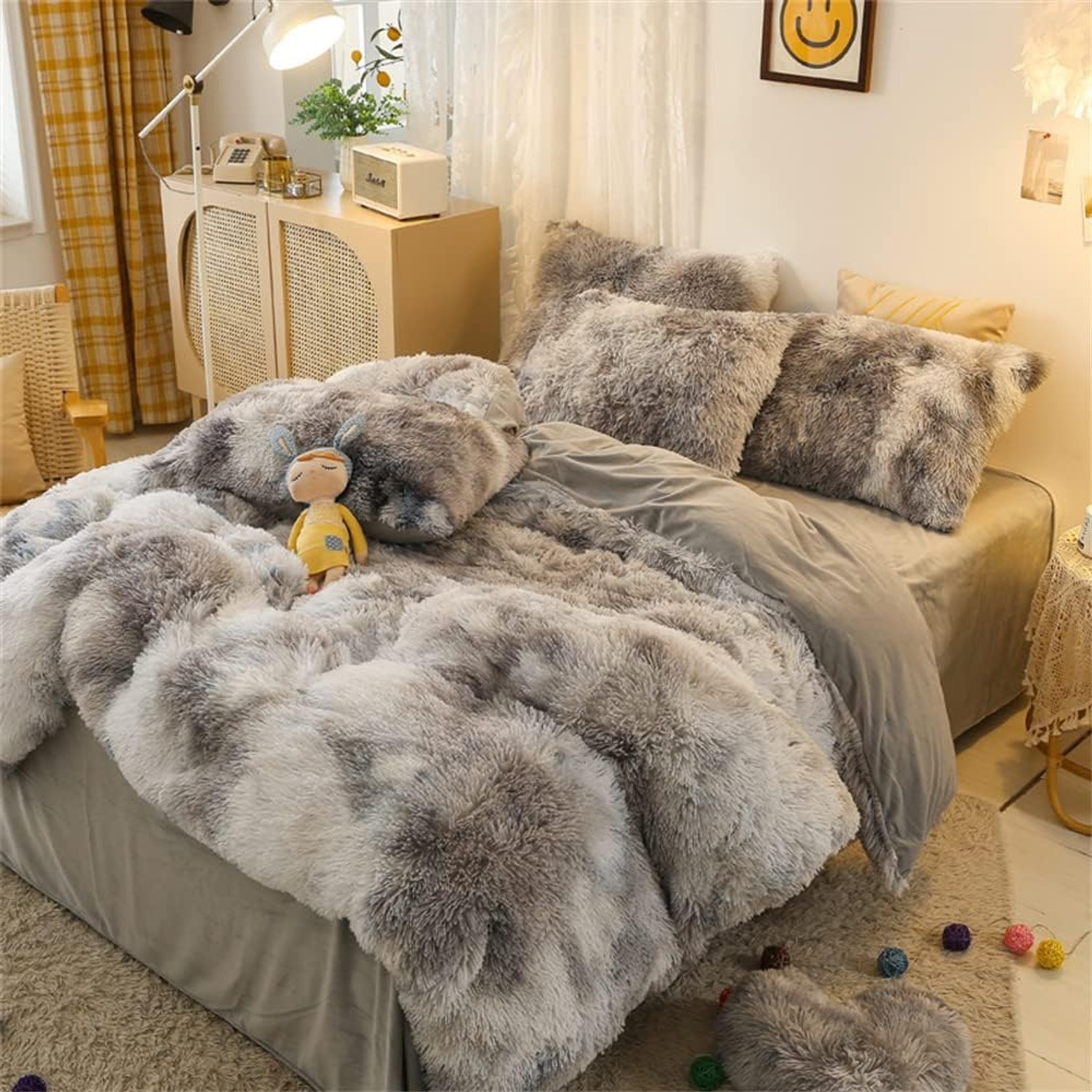
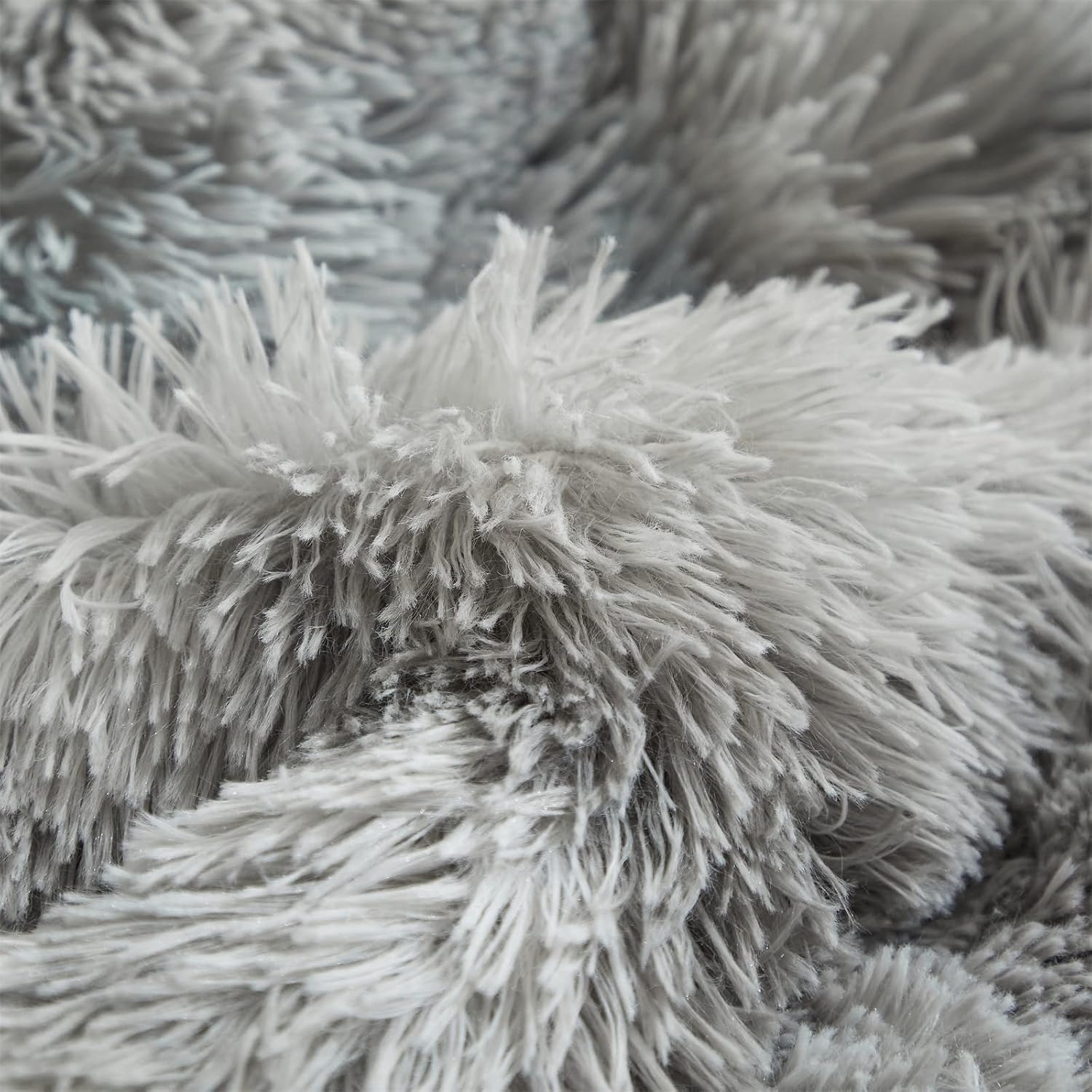
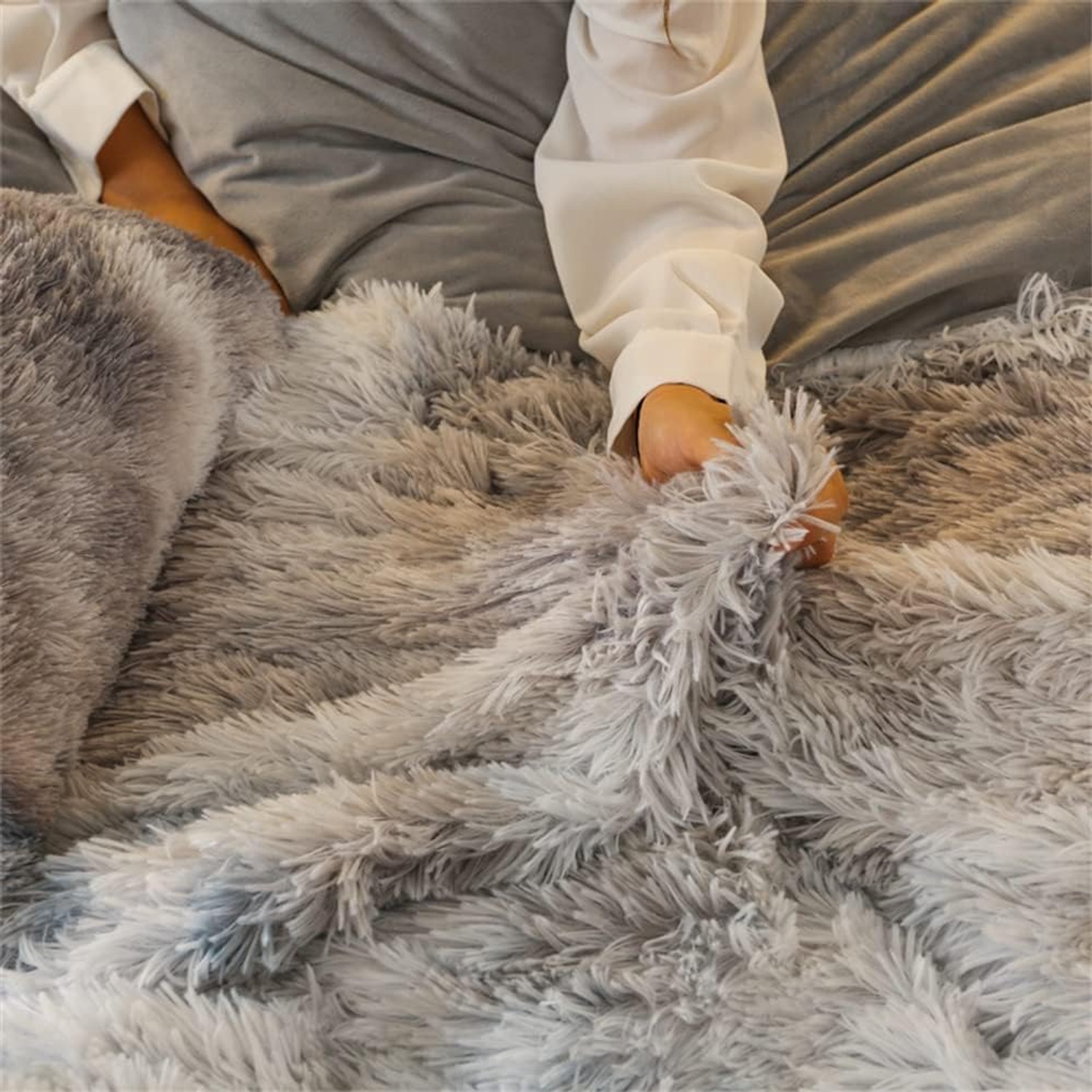
This set uses a long plush microfibre on the face rather than a short printed fleece. The difference is depth. Long plush has fibres with enough length to move and catch light, which is what makes it look like fur rather than a fuzzy sheet. The back is velvet rather than a plain woven lining, which is a small detail with a real effect, because it means the comforter is pleasant on both sides.
How a plush comforter actually keeps you warm
There is no magic in it. Polyester fibre traps air, and trapped air is what insulates you. A long pile holds more air than a flat one, so a deep plush surface sits warmer than a thin one made of the same material.
The weight matters too. At 3.67 kg for the set, this is solid without being heavy in the way a weighted blanket is. That mass helps the comforter drape and stay in contact with you rather than tenting up and letting warm air escape at the sides. If you have ever had a lightweight synthetic quilt that floats off you every time you roll over, you will know why that contact counts.
The listing describes it as all season, and that is a fair description for how most people use this kind of bedding. In winter it does the main job. In summer it becomes the only layer over a sheet, and in a cooled room that is usually enough. If you live somewhere with genuinely brutal winters, treat it as the top layer and put a blanket underneath rather than expecting one piece to handle every night of the year.
Who it suits, and who should think twice
This works well if you want the bed to look finished without putting together a four piece colour scheme. The grey white ombre is a safe, flexible tone. It does not fight timber, white, black or most accent colours, which is why grey bedding tends to survive a room redecoration.
It suits guest rooms particularly well. One purchase covers the comforter and both pillows, the size spans full and queen, and you are not swapping it out seasonally. Teenagers and students tend to like it for the texture alone. It is also an easy gift, because full or queen covers a lot of households and there is no sizing guess beyond that.
Think twice in a couple of situations. If you sleep very hot and your room has no cooling, a deep plush surface is going to feel like a lot in midsummer, even with the all season rating. And if you have a long haired pet who sleeps on the bed, be realistic about lint rolling. Plush holds hair. It is not a dealbreaker, just a known cost of the fabric.
Picking the right size
The listing size here is Full/Queen. That single sizing covers both bed widths, which is handy, but it is worth knowing how comforter sizing works so you are not surprised.
A comforter is meant to sit on top of the mattress and drape over the sides, not to tuck in like a fitted sheet. How far it drapes depends on your mattress depth. A standard mattress gives you a generous overhang. A deep pillow top mattress, or one sitting on a thick topper, eats into that drape and the comforter will sit shorter at the sides.
If your mattress is unusually deep, measure from the top edge of the mattress down to where you want the fabric to end on each side, add that to your mattress width, and compare.
The pillow shams have a stated length of 26 inches, which fits standard pillows comfortably. King size pillows will stretch them.
Washing it without ruining it
This is the part people get wrong, and it is the single biggest factor in whether your plush bedding looks good in year three.
Cold water. Gentle cycle. On its own, not mixed in with towels or jeans. A laundry bag is better again, because it stops the plush face rubbing against the drum and other fabric. Zips and buttons from other items are what cause snags, so keep it separate.
Skip the bleach entirely. It breaks down synthetic fibre and you cannot undo it. Fabric softener is also worth avoiding on plush, because it coats the fibres and leaves them limp rather than fluffy.
For drying, low heat only. High heat is what melts and mats microfibre, and once the pile is matted there is no fixing it. Hang drying is specifically not recommended here, because a soaking wet comforter is heavy and gravity pulls it out of shape over the line. Low tumble dry, or dry it flat if you have the space.
One more thing. Expect a little loose fibre when you first open it. That is normal for long plush and it stops after the first wash. Once it is dry, run a wide tooth comb or a soft brush over the surface in one direction. That lifts the pile back up and is the trick behind why some people's plush bedding still looks good years later and some does not.
Styling it so it does not look like a dorm room
Plush is a strong texture, so it does most of the work on its own. The mistake is adding more soft, fuzzy things on top of it.
Balance it instead. Crisp cotton sheets underneath give a nice contrast against the plush. One or two cushions in a flat weave, linen or cotton canvas, stop the bed turning into a single blurry texture. A throw at the foot of the bed in a different material does the same job.
Because the ombre shifts from grey to white, you have room to pull either direction. Lean white and the room reads light and calm. Lean grey with charcoal cushions and it reads warmer and more enclosed. Either works, and you can change your mind later without replacing the comforter.
Caring for it between washes
You do not need to wash plush bedding often. Overwashing is harder on it than normal use.
Air it out. Pull the comforter back for half an hour in the morning before making the bed, which lets moisture escape rather than sitting in the fibres. Shake it out every week or so to keep the pile from flattening in the spots where you sleep.
Spot clean small marks with a damp cloth and a drop of mild detergent, blotting rather than rubbing, then let it air dry. Rubbing wet plush is what creates those dull flattened patches. For pet hair or dust, a lint roller or a quick pass with a vacuum upholstery attachment on low suction does the job.
The short version
A faux fur comforter earns its place by feeling better than it looks, and this one has the two things that matter. The face is long plush rather than a flat fleece, and the back is velvet instead of a plain lining, so both sides are worth touching.
It comes as three pieces, comforter plus two shams at 26 inches, sized for full or queen, in a grey white ombre with a geometric pattern. The whole thing weighs 3.67 kg, which is enough mass to drape properly without feeling like a weighted blanket. The fabric is polyester throughout.
Wash it cold on gentle, by itself, dry it low, comb it after, and skip the bleach and the clothesline. Do that and it keeps the depth that made you want it in the first place.
Delivery is tracked across Canada, free on orders of $75 or more and $25 below that. If you are unsure whether it fits your bed, measure your mattress depth and ask us before you order.