



The complete guide
The Practical Guide to Choosing and Fitting Gutter Guards
The problem nobody thinks about until the wall gets wet
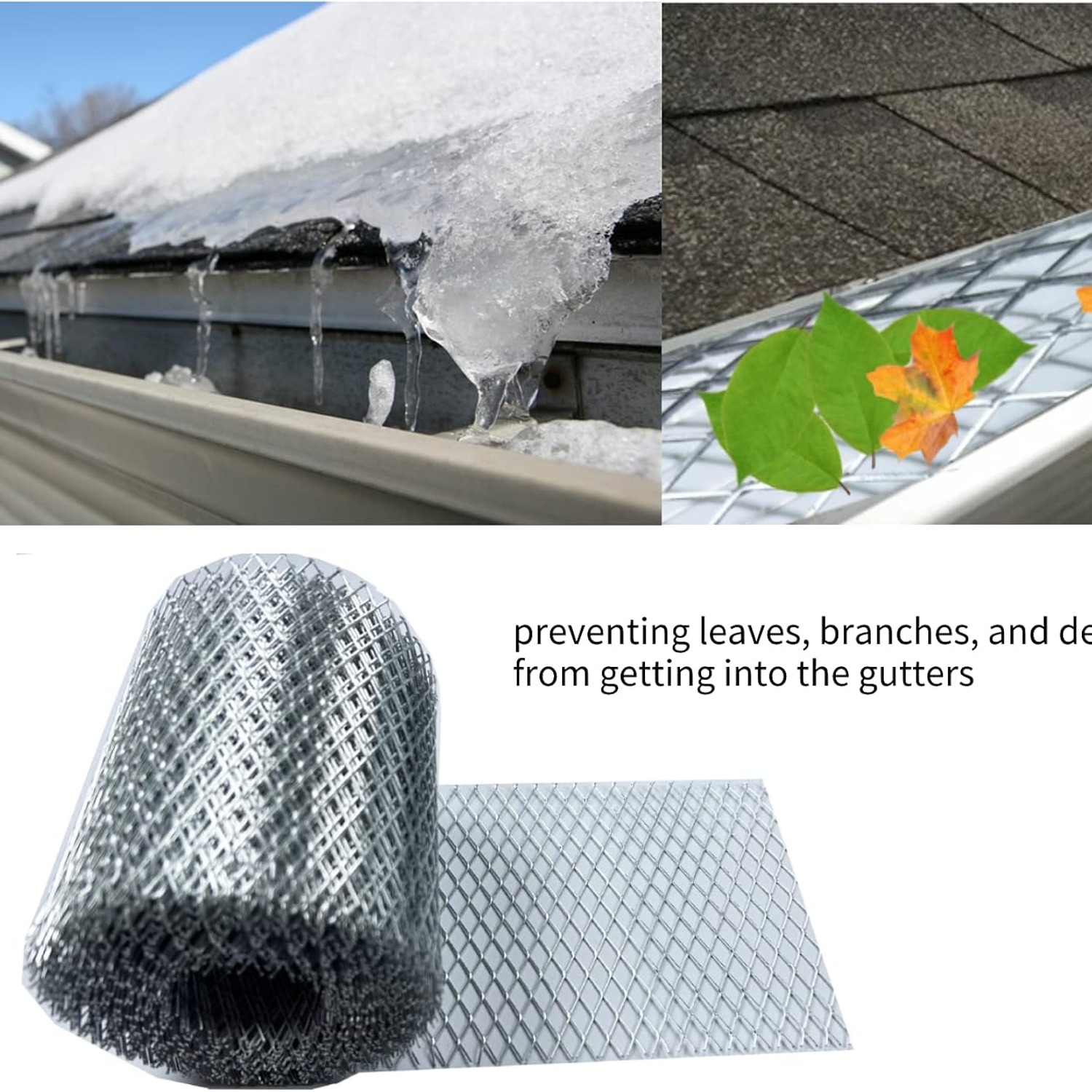
Gutters fail quietly. You do not hear a blockage form. What happens is that a few leaves land near the downpipe outlet, rain washes grit in behind them, and the mix sets into a damp plug. The next heavy shower cannot drain, so water backs up along the channel and pours over the front edge. It runs down the render, soaks the fascia board, splashes the window frames, and finds its way into the soil right against the foundations.
By the time you notice the stain on the wall, the blockage has been there for months.
Gutter guards attack the problem at the start. Instead of letting the channel fill and then clearing it out twice a year, you put a screen over the opening so the bulk of the material never drops in. Rain goes through. Leaves stay on top, where wind and the next downpour move them along the roof line and off the edge.
What this roll actually is
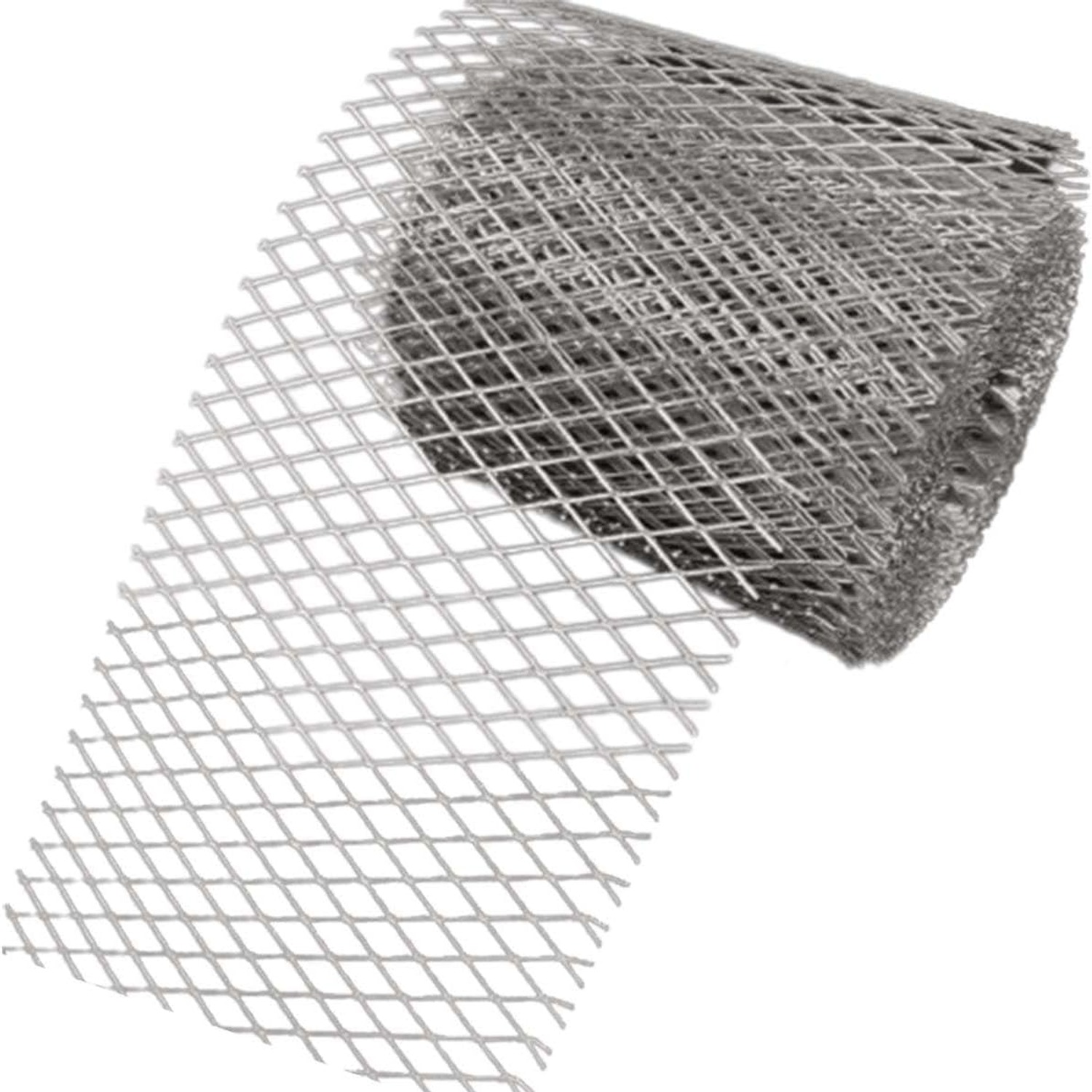
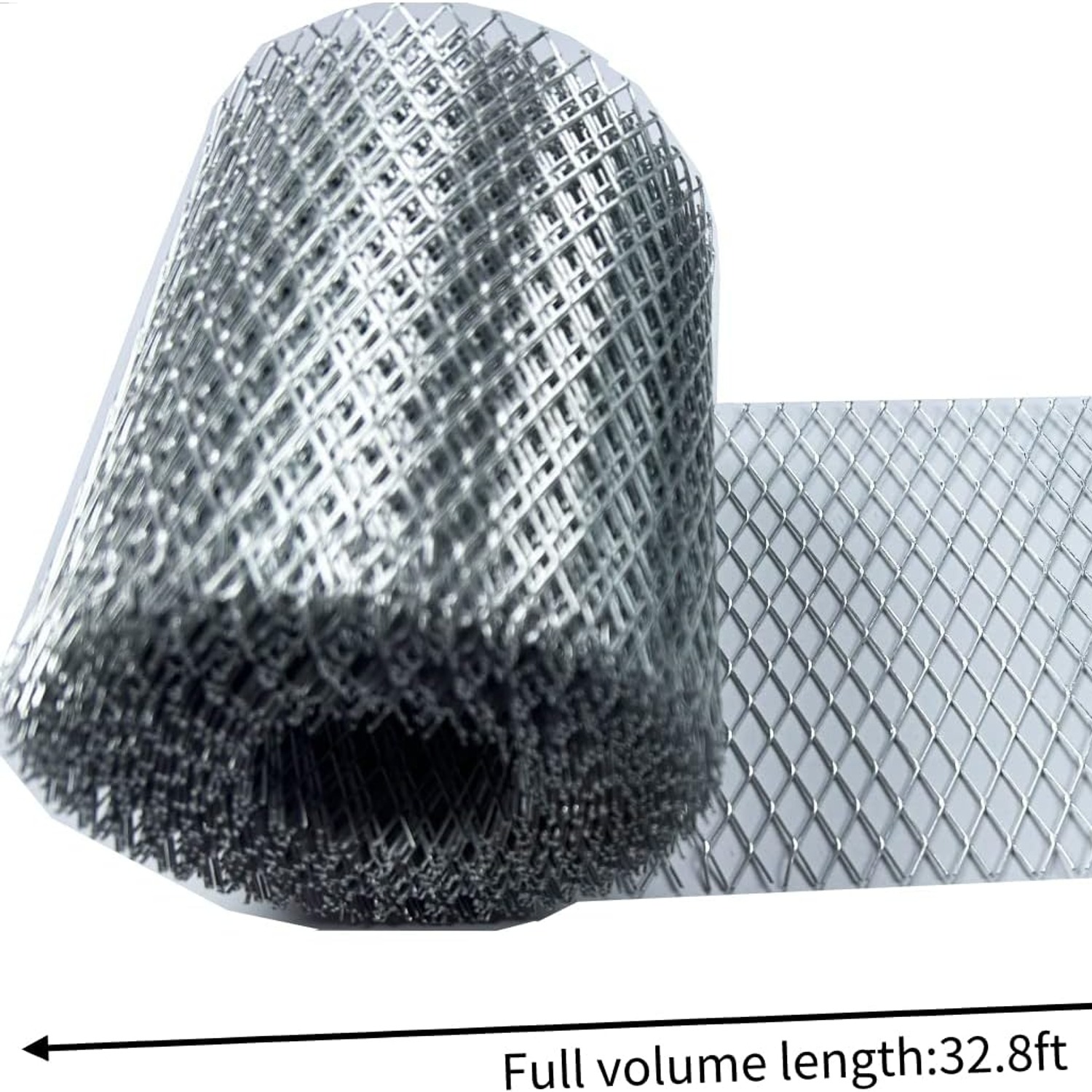
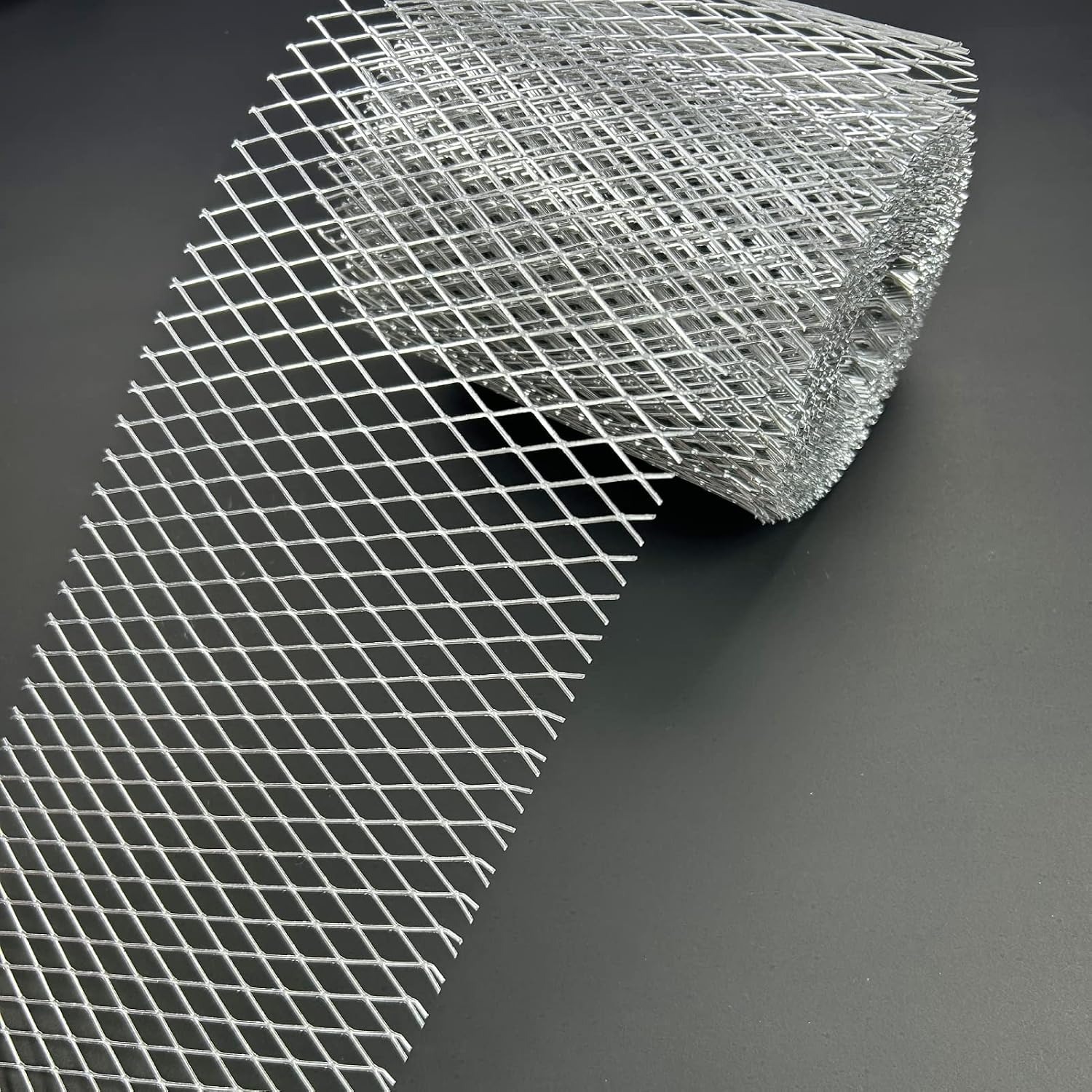
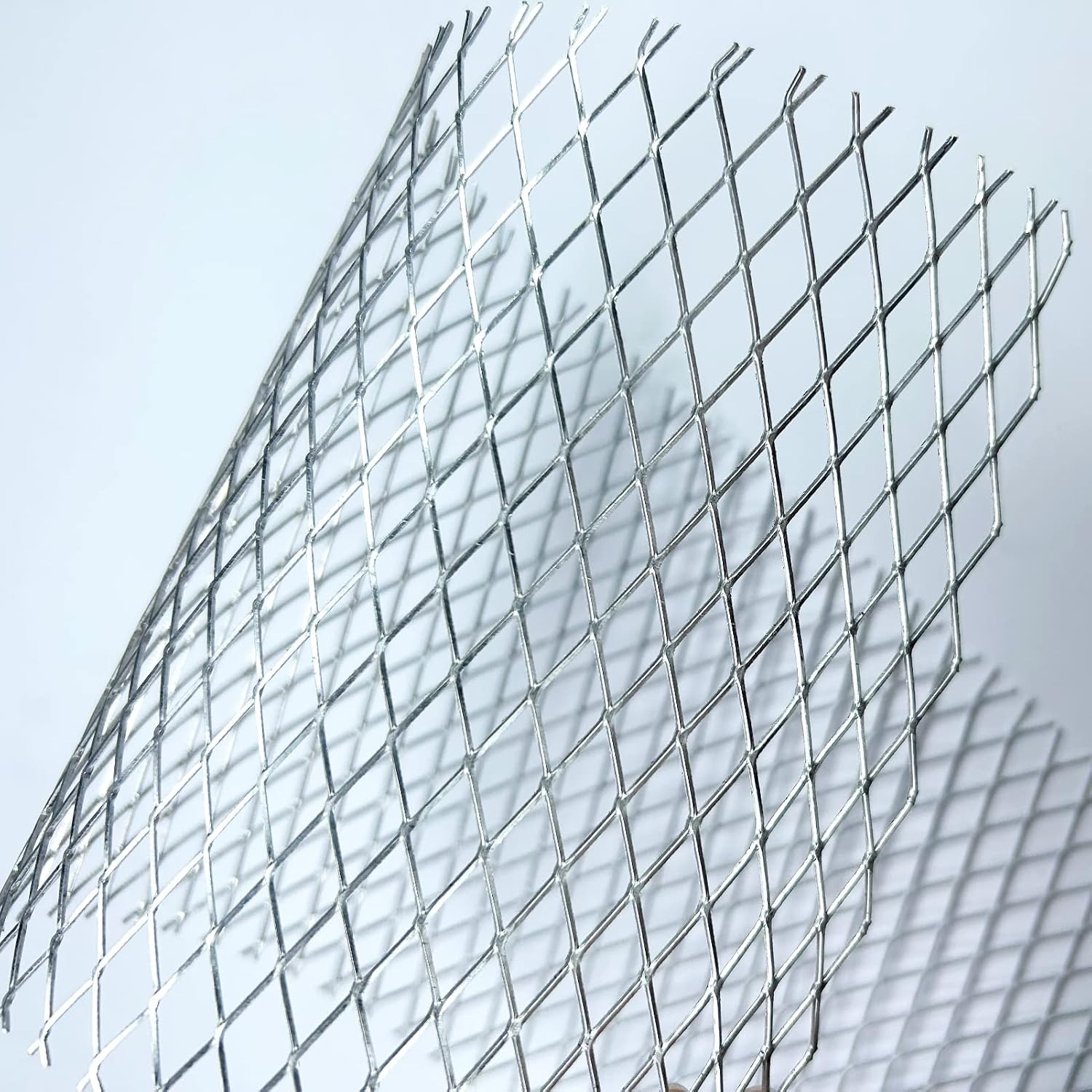
This is a single continuous roll of expanded aluminium mesh, about 15 cm wide and 10 m long. The listing gives those figures as 5.9 inches by 33 feet. The whole roll weighs 640 g, which tells you something useful straight away: this is a light screen you trim to fit, not a heavy clip-in cover system with brackets and fixings.
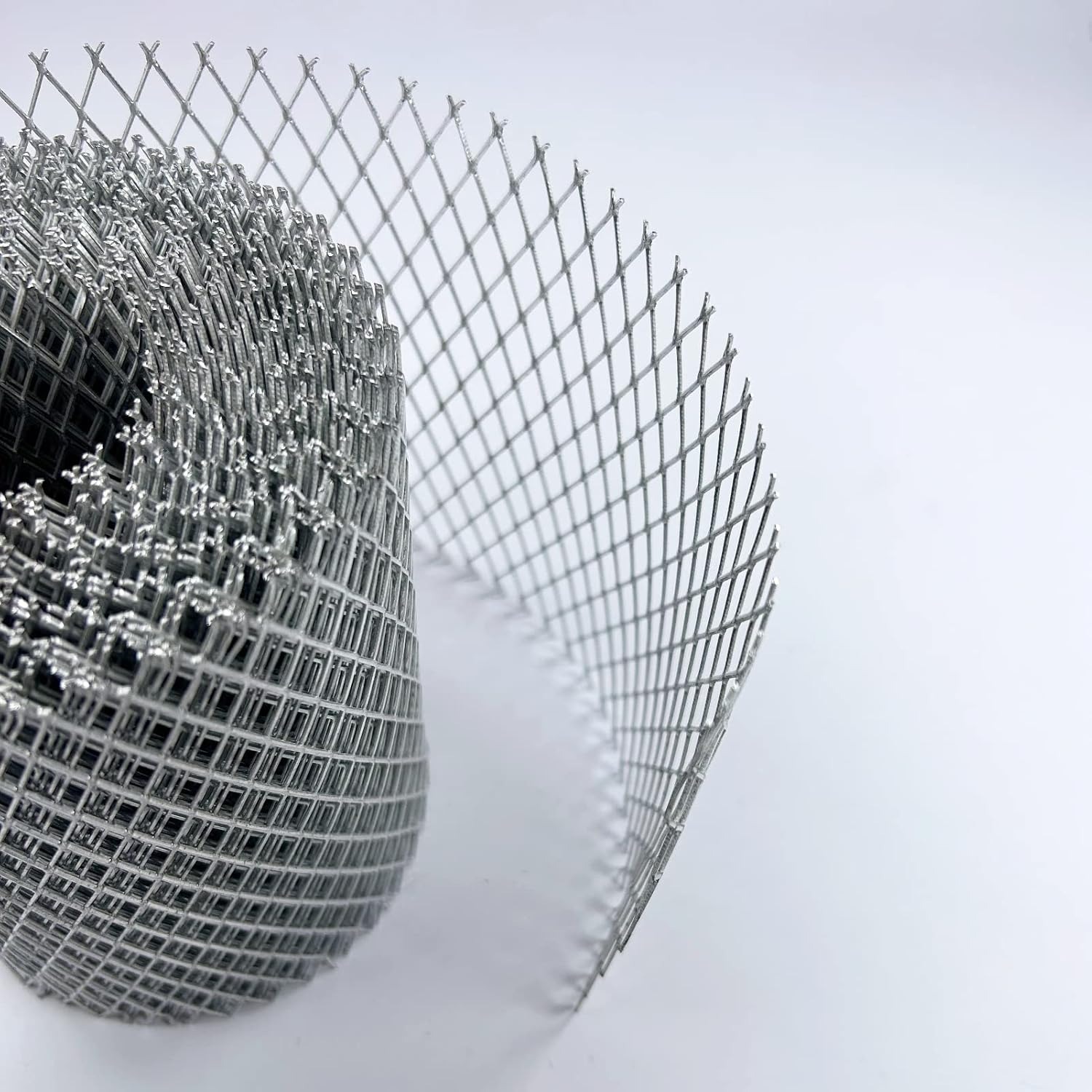
Expanded metal is made by cutting slits into a sheet and then stretching it. The slits open into diamonds and the sheet becomes a mesh without losing any material. The stretching also stiffens it, which is why something this thin holds a shape when you bow it into an arch.
Aluminium matters here. A gutter is a wet place for most of the year. Plain steel rusts the moment its coating wears, and rust stains run down the front of a gutter where everyone can see them. The listing states this aluminium is not easy to rust, which is the main argument for using it outdoors.
How it works once it is in place
There are two ways to fit it, and both are mentioned in the product listing.
The first is flat. You unroll the mesh along the channel and let it sit across the opening, tucked under the lip of the gutter where the profile allows. Simple, quick, and fine for a roof that only drops a modest amount of leaf litter.
The second is arched. You bow the mesh into a gentle curve along the run so the centre sits higher than the edges. Nothing rests on a curve for long. Leaves dry out, catch the wind, and tumble off. If you have a big tree overhanging the roof, the arch is worth the extra minute it takes.
Either way, the principle is the same. Water is small enough to pass through the openings. Leaves, seed cases and twigs are not.
Who it suits
This is a good fit if you have standard domestic guttering with an open top, no wider than about 15 cm. That covers most half-round and square-line gutters on houses, extensions, garages, sheds, conservatories and verandas.
It also suits anyone who wants something reversible. Nothing is glued or screwed. You can lift the mesh out, roll it up and keep it, which makes it one of the more sensible options for a rented property.
It is less suitable for very wide box gutters, deep commercial channels, or roofs where the gutter is already sagging under weight. Fix a failing gutter first. A screen does not solve a bracket problem.
Choosing the right amount
Measuring is the part people skip, and it is the part that causes the second order. Walk the perimeter of the house with a tape and write down each run separately: front, back, each side, the garage. Add them up.
Then divide by 10, because that is how many metres you get per roll. Round up rather than down. If you have a lot of mitred corners, add a bit more, because every corner wastes a short offcut.
Also measure the inside width of the gutter at its widest point. If it comes in at more than about 15 cm, this mesh will not bridge it and you need a wider product. If it comes in narrower, that is fine; you simply trim the roll down and keep the strip for a drain screen somewhere else.
Fitting it without making a mess of it
Start by cleaning the gutter properly. Putting a screen over a channel that is already half full of sludge just traps the sludge. Scoop it out, flush the run with a hose, and check that water actually reaches the downpipe.
Then cut. Ordinary household scissors handle this mesh, which is one of the genuinely useful things about it. Cut the length you need, then notch around brackets and outlets a little at a time. Trimming a second time is easy; adding material back is not.
Wear gloves. Expanded metal leaves sharp points at every cut, and the roll edge itself is not friendly. This is the single most common way people hurt themselves with a job like this, and it is entirely avoidable.
Work with a stable ladder on firm ground, and get someone to foot it. The mesh weighs almost nothing, so you are not fighting the material; you are just working at height, and that is where the real risk sits. If the roof is high or the pitch is awkward, pay someone.
Care and what to expect over time
A screen reduces maintenance. It does not abolish it.
Fine grit, roof sand and small seed pods can still work through the openings over several seasons. Once or twice a year, brush the top surface clear with a soft brush and rinse the mesh with a hose. Check after any big storm, because strong wind can lift a section that was not tucked in firmly, and a lifted corner collects leaves faster than bare gutter would.
Avoid metal scrapers, wire brushes and solvent cleaners. None of them help, and all of them can damage the surface. Plain water and a soft brush is the whole routine.
If a section does get bent or torn, you cut a replacement piece from an offcut and swap it. That is far cheaper than replacing a moulded cover panel.
The offcuts are worth keeping
Because the mesh cuts so easily, people find uses for the leftovers long after the gutters are done. A square over a garden drain stops leaves from blocking it. A disc in the bottom of a planter keeps soil in and lets water out. A piece across a rain barrel inlet filters the first flush. Workshop sinks, compost sieves, vent covers, all fair game.
Keep the scraps in a labelled bag in the shed. You will reach for them.
The short version
Gutter guards stop the blockage before it forms, which is cheaper and less annoying than clearing one out. This is a single 10 m roll of expanded aluminium mesh about 15 cm wide, weighing 640 g, that you cut with scissors and lay flat or arched into an open gutter.
Measure your gutter length and width first. Buy enough rolls. Clean the channel before you fit anything. Wear gloves, because the cut edges are sharp. Rinse the mesh once or twice a year and press down anything that lifts.
Do that, and the water goes where it is supposed to go, which is the entire point.